
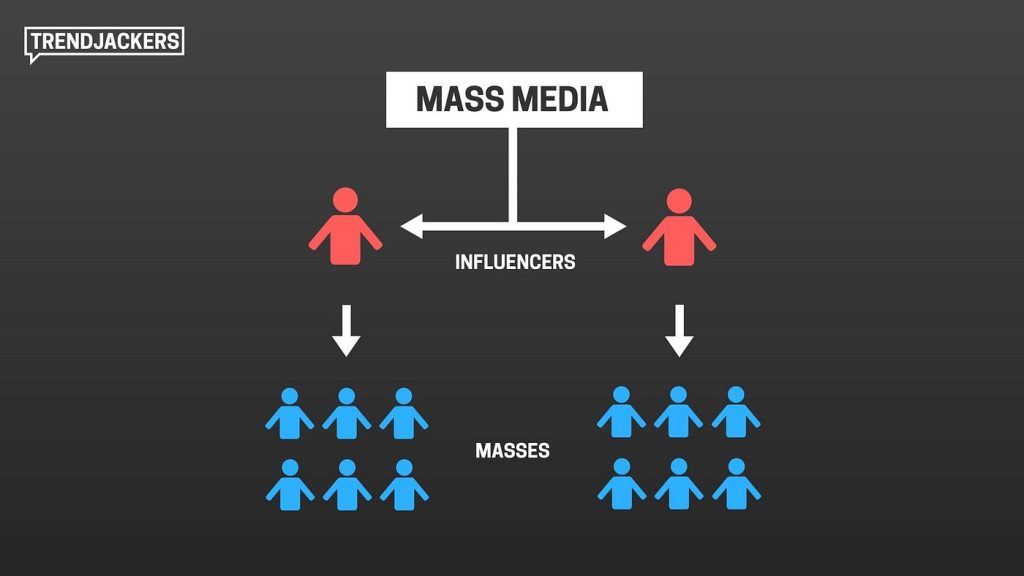
The two-step model of communication is a theory that proposes that interpersonal interaction has a stronger effect on shaping public opinion than mass media outlets. The theory was formulated in 1948 by Paul Lazarsfeld, Bernard Berelson, and Hazel Gaudet after research they conducted during the 1940 US presidential election. They discovered that during the election, most voters obtained their information about the candidates from other people who had read about the campaign in the newspapers, rather than directly from the media. They concluded that word-of-mouth transmission of information plays an important role in the communication process, and that mass media have a limited influence on most individuals.
Since its formulation, the theory has been tested and validated through different studies; however, the theory came under some criticism in the 70s and 80s. Some researchers said that the actual flow of information from mass media to media customers has more than two steps. Another criticism is the fact that the model was created during a time when television and the Internet did not exist.
Opinion Leaders vs Influencer
After the social media wave, the two-step flow theory changed and adapted to today’s world. The most powerful opinion leaders nowadays are Influencers, but are they the same? The answer is no, they definitely share similarities, but they are not identical. Opinion leaders are individuals who naturally gain trust and authority within their social circles. They often follow the media closely and shape how others interpret information. It could be a teacher, a community activist, or even a friend who is not widely known. Influencers, on the other hand, are people who build audiences on digital platforms like Instagram, YouTube, or TikTok and intentionally leverage their visibility to shape attitudes and behaviours. Being an opinion leader is a social role, while being an influencer is often a profession. Influencers are today’s version of opinion leaders, but not all opinion leaders are influencers.
Most powerful Opinion Leaders of this generation
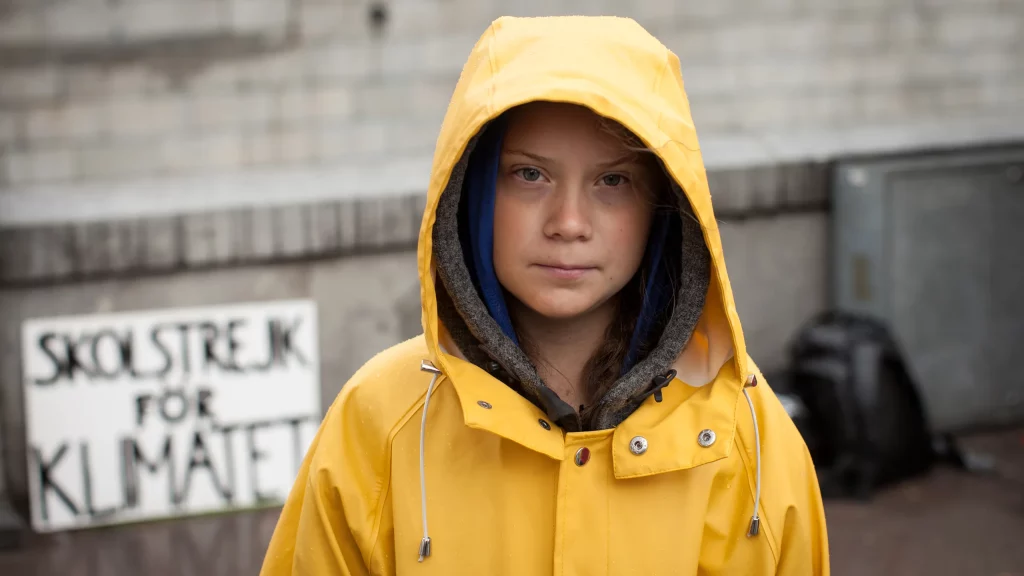
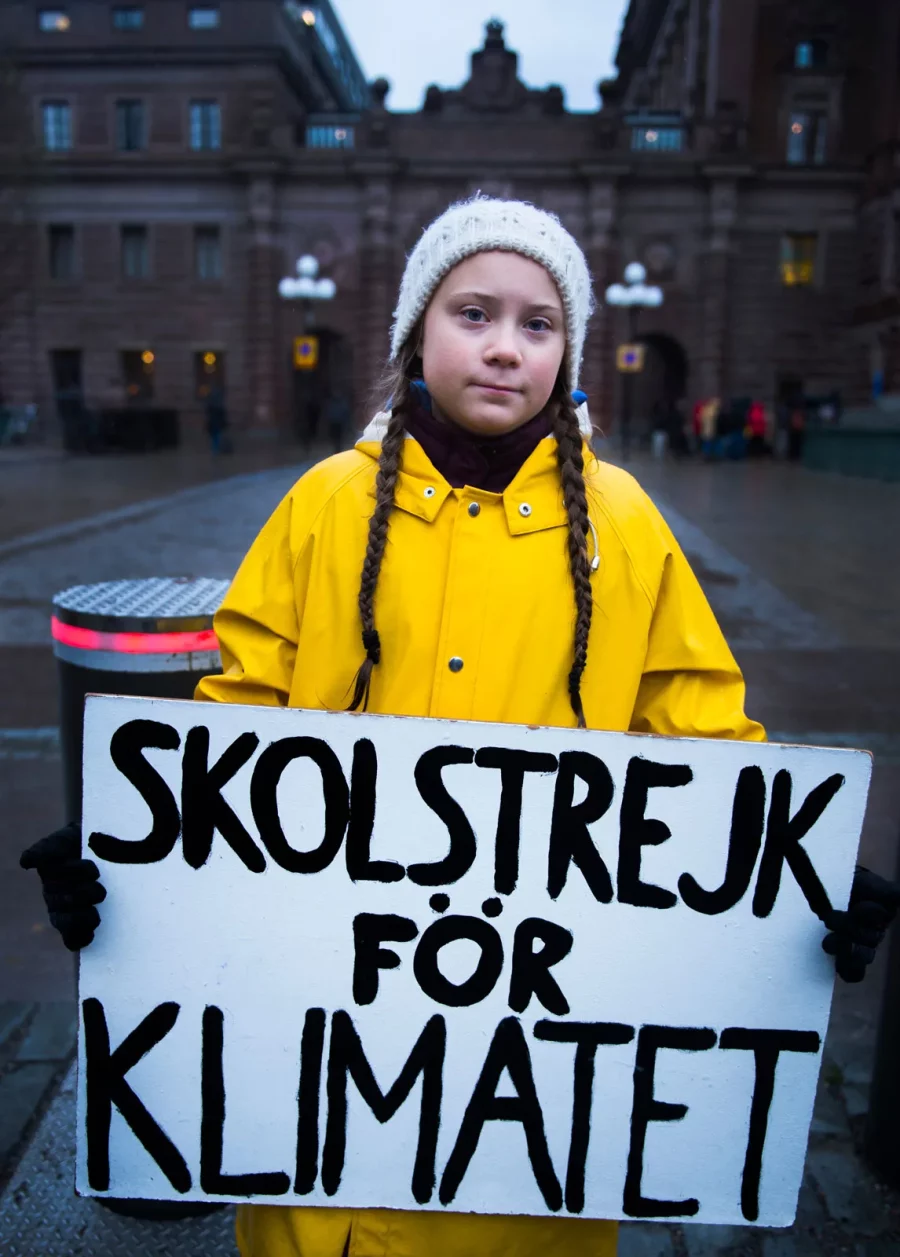
Greta Thunberg is a Swedish girl born in 2003. At fifteen, she had her first “School Strike for Climate” outside the Swedish Parliament. The protest was widely covered, and hundreds of thousands of young people across the world joined her Fridays for Future Strikes. She dramatically raised public awareness and political urgency around climate change, forcing leaders to address the crisis more seriously. Her impact globally was so huge that people startet calling it the “Greta effect”.
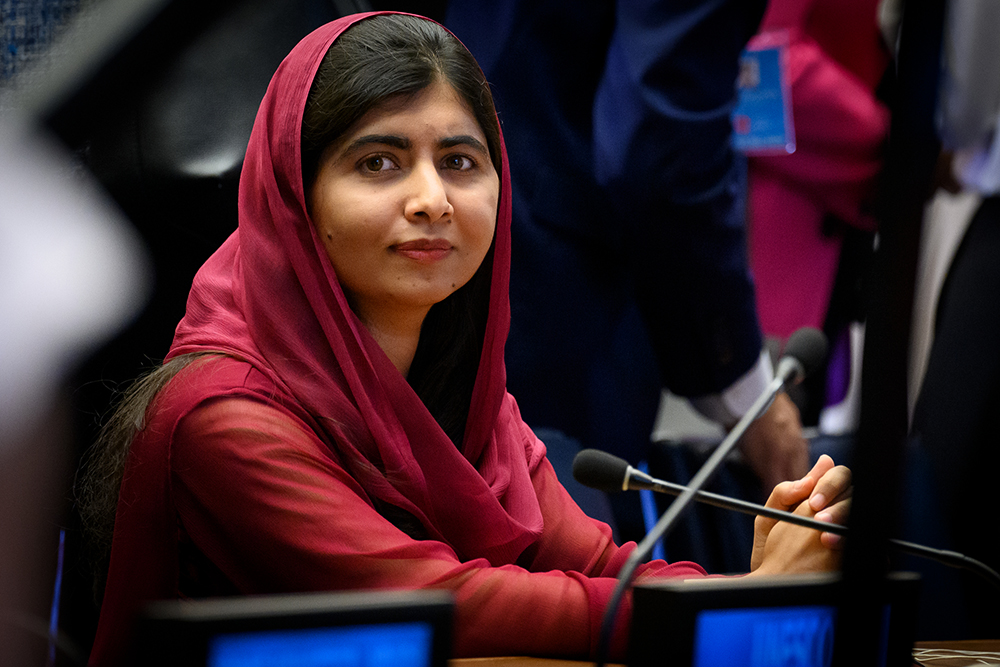
Malala Yousafzai is a Pakistani female education activist. She is the youngest Nobel Peace Prize laureate. At eleven years old, she started blogging anonymously for the BBC. She spoke about her life under Taliban rule and how much she wanted to attend school. She became a symbol of the fight for girls’ education after she was shot in 2012 for opposing Taliban restrictions on female education in her home country of Pakistan. But this did not stop her; she kept fighting for girls’ right to attend school.
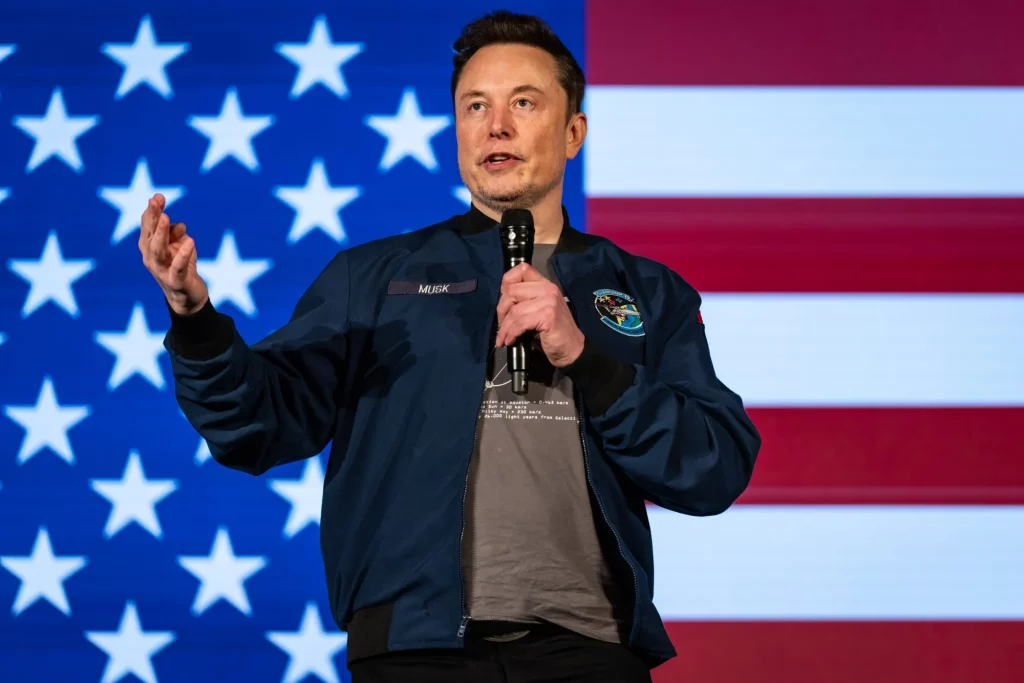
Elon Musk is a businessman and entrepreneur known for his leadership of Tesla, SpaceX, X, and xAI. He has been the wealthiest person in the world since 2021. He belongs to a small group of people, such as Bill Gates and Steve Jobs, who have produced innovations that have an impact on all, or at least a large part of humanity.


