

When I first learned the term male gaze, it sounded like something distant and overly academic. But once you start paying attention, you notice it everywhere — not just in films or advertisements, but in small details of daily life. The idea basically means that a lot of media is created as if the viewer is a straight man, so women get shown in ways that please that imagined viewer. What surprised me is how much this shapes the way we look at ourselves without even realising it.
A simple example is how people take photos. When girls take pictures, there’s this “default pose” everyone seems to know: turning the body slightly, tilting the chin, soft eyes. No one explicitly teaches it, but we learn it from years of watching how women are framed online, in movies, or in ads. The male gaze turns into a habit that quietly tells women how to present themselves.
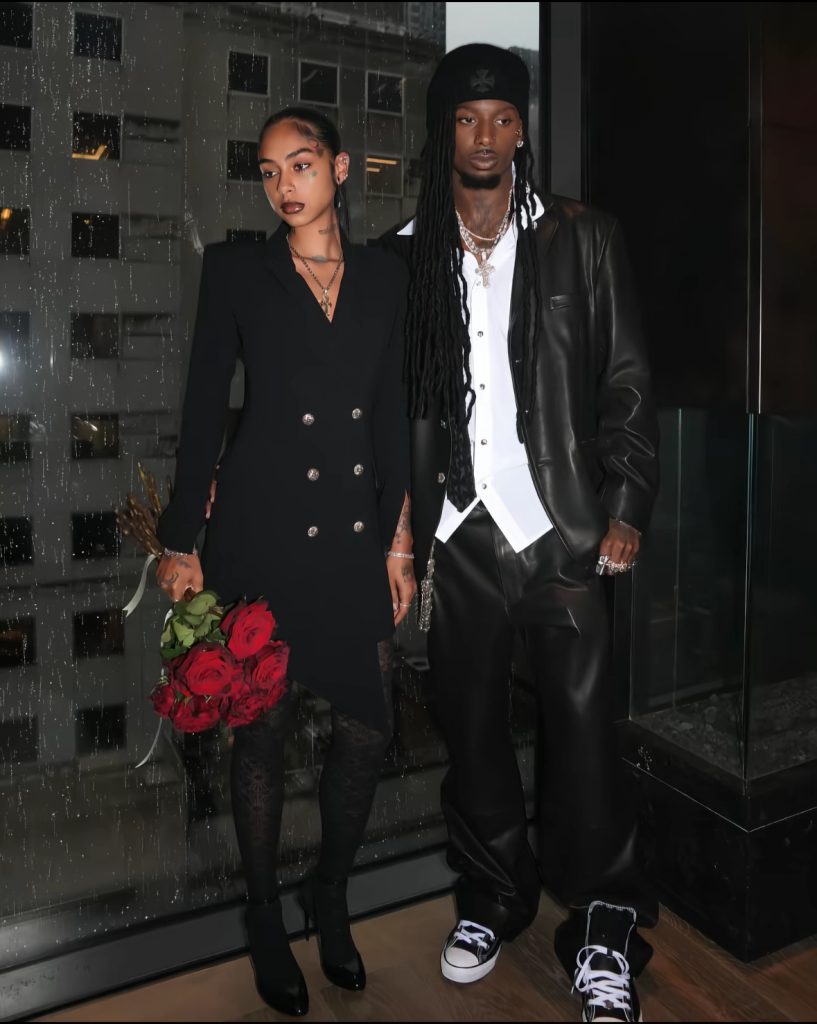
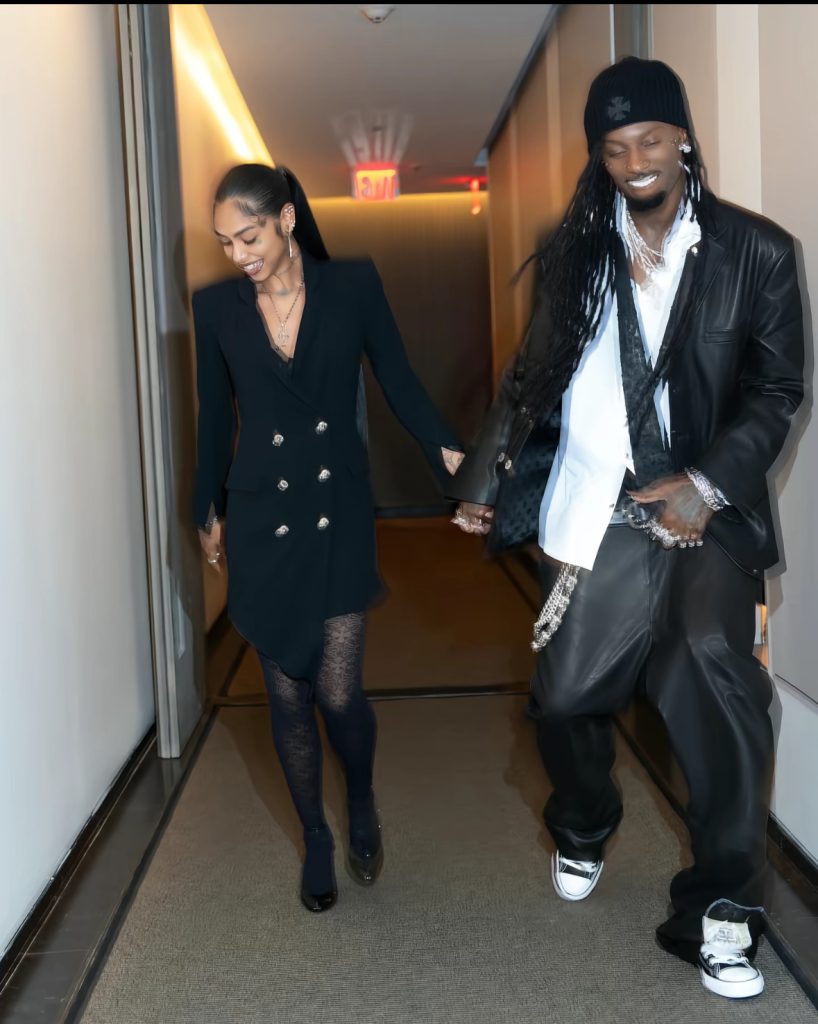
You also see it in advertising. Think about perfume commercials. The storyline rarely matters — it’s usually a woman lying on fancy sheets, looking seductive for no logical reason. Or in sports ads where the man is shown doing an actual activity, while the woman is still standing in a perfectly styled position. It’s such a normal visual pattern that we forget to question it.
Even in public spaces, the male gaze shows up in small ways. For example, when a girl cuts her hair short, people often react by saying, “Does it still look good?” or “Why did you cut it?” The first instinct is about appearance, not comfort or personality. It’s another way that society treats women as something to be seen first and understood second.
Social media plays a huge role too. On TikTok or Instagram, the camera angles many people use follow the same patterns. The “pretty girl POV” usually involves soft lighting and flattering angles that come straight out of the same visual rules created long ago by men. Even when women create the content themselves, the style is often shaped by expectations built around the male gaze.
But things are changing. More creators are rejecting these angles and showing themselves in natural, chaotic, or unfiltered ways. Some intentionally use humour or self-awareness to break the usual aesthetic. This shift doesn’t mean the male gaze is gone — but it shows people are becoming more conscious of how they’re being looked at and how they want to present themselves.
At the end of the day, understanding the male gaze isn’t about blaming anyone. It’s about noticing how deeply cultural habits shape our vision. Once you recognise it, you start seeing the world differently, and maybe you begin to see yourself on your own terms too.


