
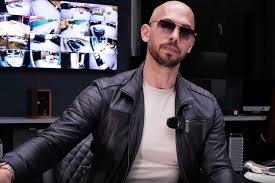
Who Is Andrew Tate and Why He’s Controversial
Andrew Tate, a former kickboxer turned influencer, has become a lightning rod for controversy. Known for his brash views on masculinity, success, and gender roles, Tate has amassed a massive online following while also facing significant criticism for promoting toxic masculinity. Using Stuart Hall’s Encoding/Decoding model, we can explore how Tate encodes messages of “success” and “strength” and how different audiences decode them in varying ways.
Encoding: How Andrew Tate Presents Masculinity

- Success: Tate often associates wealth with masculinity. His content, which showcases his lavish lifestyle, luxury cars, private jets, and expensive watches, implies that real men are financially independent and successful.
- Strength: Tate promotes an ideal of masculinity based on physical dominance, emotional detachment, and personal resilience. His videos often emphasize overcoming adversity through sheer willpower and achieving success through relentless ambition.
- Self-Sufficiency: A major part of Tate’s message is that true men should be self-reliant and strong, emotionally and financially. This message is encoded in Tate’s videos through visual cues of power dominant body language, references to being in control, and slogans like “Top G” (a symbol of ultimate masculinity).
Tate’s encoded message is straightforward: he positions himself as a model of masculine success. His content is designed to project an image of a man who has achieved greatness, not just through wealth, but also through physical and emotional control.
Preferred Reading: Fans Who Embrace His Ideals

For many of Tate’s followers, his message resonates deeply. This represents the preferred reading of his encoded content:
- Fans’ Interpretation: His followers see his lavish lifestyle and his focus on personal empowerment as a form of motivation. For these viewers, Tate’s messages about success, independence, and strength offer inspiration. They interpret his videos as positive examples of how men should live, rejecting societal expectations and forging their own path to success.
- Example: As Tate frequently states in his videos, “I’ve done it. You can do it too.” Fans admire his ambition and resilience, believing that embracing his version of masculinity will lead them to similar success. To them, Tate is not just an entertainer; he is a role model.
Negotiated Reading: “He Helps… But It’s Still Content”
However, some viewers take a more negotiated approach. They agree with parts of Tate’s message but are uncomfortable with other aspects.
- Balanced View: These viewers appreciate Tate’s emphasis on self-improvement, financial independence, and personal responsibility. However, they may feel that his approach to relationships and gender roles is problematic.
- Example: For these viewers, Tate’s advice on hard work and resilience is valuable, but his portrayal of women and relationships as “secondary” to men’s success raises concerns. They recognize the value in his messages about ambition but reject his more misogynistic views.
Oppositional Reading: Critics Who Reject Tate’s Ideology
On the other hand, oppositional readings reject Tate’s encoded message entirely. Critics argue that his brand of masculinity is harmful and outdated.
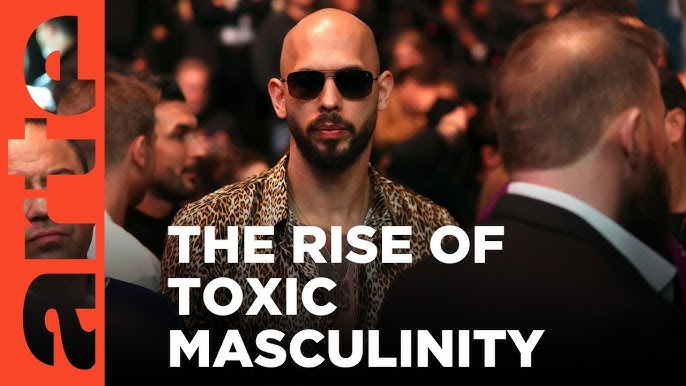
- Critics’ Interpretation: Many feminists and activists view Tate’s content as reinforcing toxic masculinity, where men are encouraged to dominate women and see them as objects. They see his messages as promoting a dangerous, hyper-competitive, and emotionally repressed form of manhood.
- Example: In 2022, The Guardian published an article criticizing Tate for encouraging misogyny through his public statements. His views on female submission and masculine dominance have sparked widespread backlash, with critics arguing that his content perpetuates inequality and promotes harmful stereotypes.
As The Independent notes, Tate’s content is seen by many as “a form of exploitation of vulnerable followers”, where vulnerable men are attracted to his message but end up trapped in a cycle of self-destructive behaviour (The Independent, 2022).
What Andrew Tate Teaches Us About Media Today
Andrew Tate’s content, as a cultural text, demonstrates the power of encoding and decoding in the digital age. His videos are carefully crafted to promote a message of success and power, but the way audiences decode these messages depends on their individual beliefs and values. Some fans embrace his ideas completely, while others reject or question parts of his message. Ultimately, Tate’s brand highlights how media messages are never static, they are shaped by both the producers and the audiences who interact with them.
REFERENCES
Hall, S. (2016). Stuart Hall’s encoding/decoding model and the circulation of journalism in the digital landscape. Critical Studies in Media Communication, 33(5), 409–423.
The Guardian (2022). “Andrew Tate: The rise of the influencer who advocates for toxic masculinity.”
The Independent (2022). “Toxic Masculinity and the Rise of Andrew Tate.”


Hi Justin. I think Andrew Tate is a great example to use. He’s very prevalent on social media, and people definitely have mixed views on him and how they decode his messages. It’s interesting to read about how people take what he says differently and how we relate our own values and beliefs to it. This helped me break down the encoding/decoding model in an understandable way, using an example that I think many people are familiar with.