
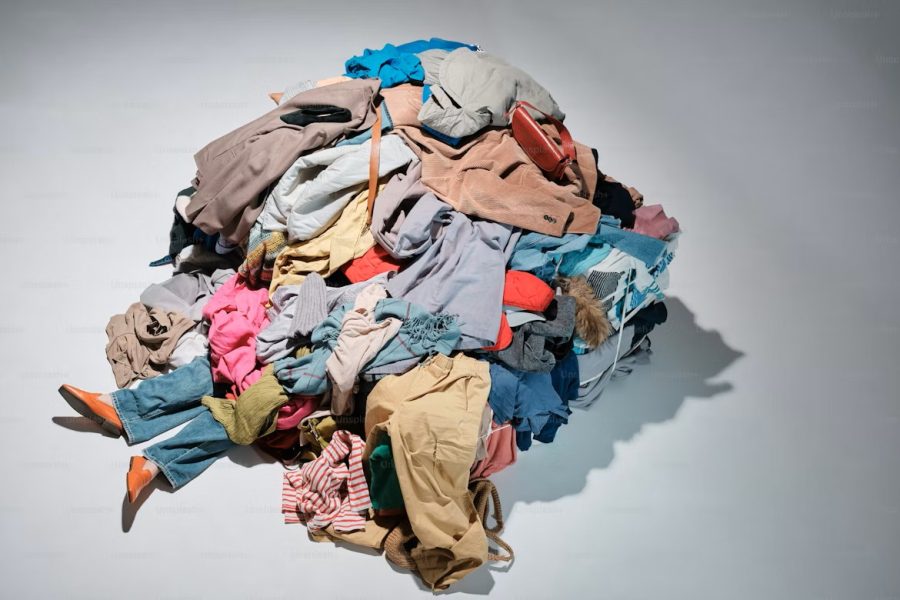
Fast Fashion has become one of the most visible outcomes of consumer culture, shaped largely by platforms such as TikTok, Instagram, YouTube. These spaces don’t just reflect trends, they ‘accelerate’ them, driving rapid production and rapid consumption. This dynamic reflects Theodor Adorno and Max Horkheimer’s concept of “Culture industry“, where cultural goods and mass mass-produced to fulfill ‘false needs’ created by capitalism.
Enviromental Consequences of Fast Fashion
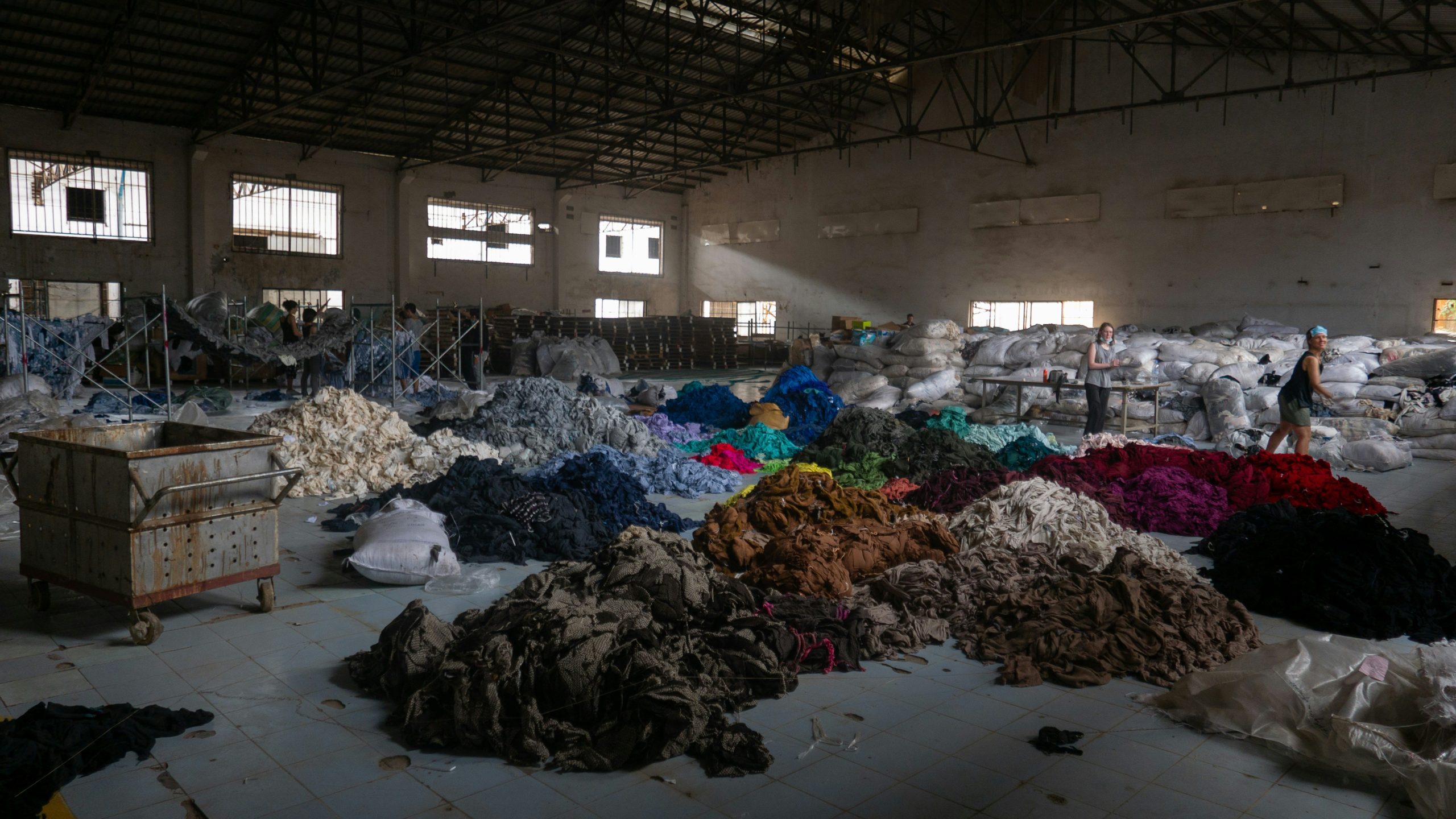
Fast fashion brands rely on producing thousands of inexpensive garments each week, designed to be worn only a few times. This contributes to the growing issue of textile waste, with around 70% of clothing ending up in landfills annually.
https://unsplash.com/photos/garbage-on-the-street-during-daytime-pouTfHUG430
Because many garments are made from synthetic materials such as polyester, they shed microplastics into oceans and waterways whenever washed. These materials take hundreds of years to break down, making them a long-term environmental hazard.
The global supply chain behind fast fashion also produces significant carbon emissions. Ultra-fast fashion brands such as SHEIN use real-time trend analysis to manufacture new designs in a matter of days, increasing both production speed and environmental cost. Once a trend goes viral online, digital demand spikes almost instantly, pressuring brands to produce even more clothing.
TikTok’s “Haul Culture”

TikTok has become a major driver of fast fashion’s environmental impact through its popular “haul culture.” In haul videos, influencers showcase dozens of new outfits at once, treating clothing as disposable entertainment. TikTok’s algorithm circulates these videos widely, encouraging millions of viewers to mimic the behaviour
Creators on YouTube, including Mina Le, Climate Town, and Hasan Minhaj, have criticised haul culture for normalising overconsumption. They argue that clothing is increasingly purchased for short-lived online appearances, contributing directly to the environmental issues discussed above.
Ethical Consequences: Labour and Exploitation
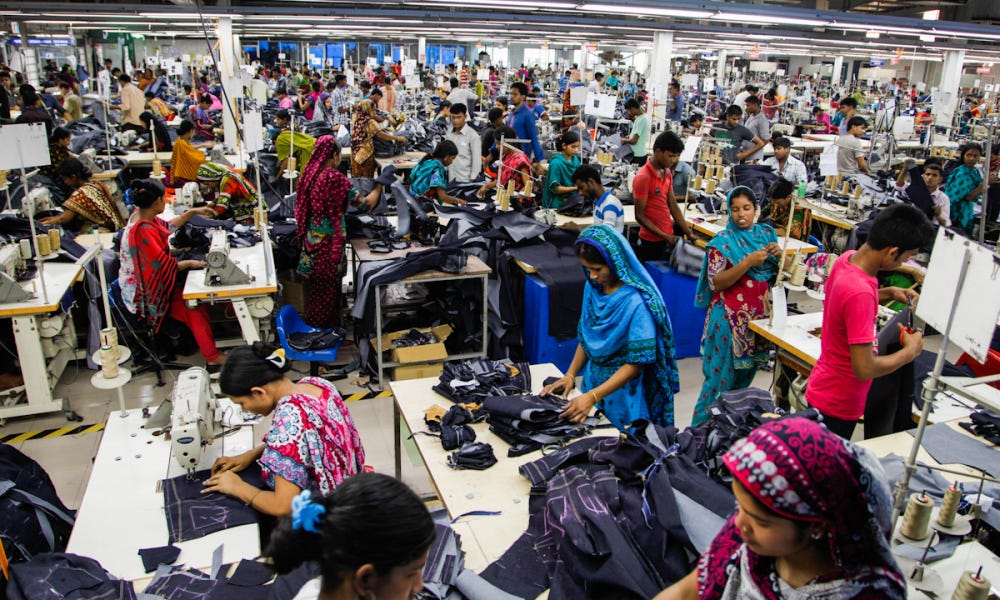
Fast fashion’s ethical concerns are equally significant. To offer clothing at extremely low prices, many brands rely on labour in the Global South, where workers are paid far below living wages. Reports from the Clean Clothes Campaign describe garment workers facing unsafe conditions, long hours, and minimal protections. These workers remain largely invisible to consumers, echoing Marxist ideas of alienation under capitalism.
Another ethical issue is the widespread copying of small designers. Fast fashion brands often scan social media for trending designs, replicate them rapidly, and sell them at much lower prices. Independent designers have little power to challenge these practices. As Adorno and Horkheimer note, the culture industry “content[s] itself with the reproduction of sameness,” a process visible in the way unique designs are absorbed into mass-produced fashion.
The Culture Industry: A Useful Lens
Adorno and Horkheimer’s theory of the culture industry helps explain why fast fashion thrives in the digital economy. They argue that cultural products are standardised and mass-produced to maintain consumption rather than foster creativity. In the context of fast fashion:
- trends become homogenised across platforms
- consumers are persuaded to buy to remain socially relevant
- social media creates “false needs” based on shifting aesthetics
TikTok plays a central role in this system, pushing new trends instantly and encouraging continual shopping. Consumption becomes entertainment, reinforcing the values of mass production and conformity.
Final Thoughts
Fast fashion’s popularity is closely tied to how digital platforms shape consumer behaviour. While social media makes fashion accessible and dynamic, it also drives environmentally damaging and ethically concerning practices. TikTok’s haul culture, influencer marketing, and trend cycles all contribute to a culture of disposability. Adorno and Horkheimer’s theory helps reveal how digital capitalism transforms fashion into a system of standardisation and constant consumption. Recognising these consequences is essential to promoting more sustainable and ethical approaches to fashion.
REFERENCES
Adorno, T. & Horkheimer, M. (2006). ‘The Culture Industry: Enlightenment as Mass Deception’. In M.G. Durham & D. Kellner (eds.), Media and Cultural Studies: KeyWorks. Blackwell.
Mina Le (2024). The Trouble with Haul Culture. YouTube.
Hasan Minhaj (2024). The Ugly Truth About Fast Fashion. YouTube.
Climate Town (2025). Fast Fashion Is Worse Than You Think. YouTube.
The Economist (2024). Why Fast Fashion Is Unsustainable. YouTube.
Clean Clothes Campaign (2023). Labour Conditions in the Global Garment Industry.
Climate Council (2024). Fast Fashion’s Environmental Impact.


