
today’s digital age, the construction of personal identity has become increasingly complex. Platforms such as Instagram, TikTok, and Facebook have transformed how we present ourselves to others. No longer confined to physical spaces or face-to-face interactions, the digital world has become a stage where identities are curated and performed. This idea draws from Erving Goffman’s concept of dramaturgy in The Presentation of Self in Everyday Life (1959), as well as perspectives from Roots Reloaded: Culture, Identity and Social Development in the Digital Age (2016).
Goffman’s Dramaturgy and Digital Self-Presentation
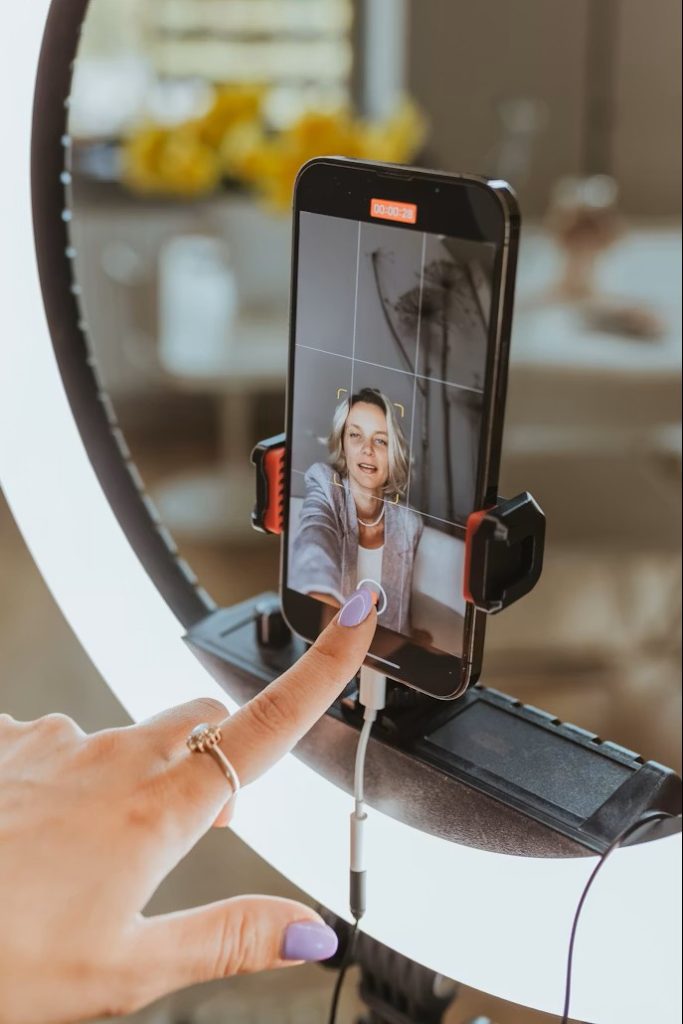
Goffman argues that individuals actively shape how they are perceived, noting that “the individual will try to control the impressions others have of him” (Goffman, 1959). In the digital world, this becomes even more pronounced. Social media users often craft idealised versions of themselves through curated posts, filters, and selective sharing. The concept of “performing the self” becomes visible in practices like choosing flattering photos, editing captions, or aligning with popular online aesthetics. Digital spaces amplify Goffman’s theory by giving users unprecedented control over their “front stage” performances.
Validation, Pressure, and the Digital Identity Loop
Digital presentation is shaped not only by personal choices but also by platform dynamics. TikTok, Instagram, and similar platforms promote specific identities through algorithms that reward certain types of content. As Roots Reloaded states, “digital identity is constantly evolving, shaped by the pressures of validation and the desire for social recognition” (Kole & Gasinger, 2016). Likes, comments, and follower counts become indicators of value, influencing how users shape their online personas. This feedback loop pressures individuals to maintain a curated identity aligned with what is considered “successful” or socially desirable online.
Authenticity and the Digital Self

Because the digital world allows for heavy editing, filtering, and selective disclosure, the line between authentic and constructed identity becomes blurred. While the ability to control one’s digital appearance can be empowering, it also risks creating identities that feel detached from everyday lived experiences. This highlights the tension between self-expression and social expectation, central to understanding digital identity today.
REFERENCES
Goffman, E. (1959). The Presentation of Self in Everyday Life. Anchor Books.
Kole, A., & Gasinger, M. A. M. (Eds.). (2016). Roots Reloaded: Culture, Identity and Social Development in the Digital Age. Springer.


Hi Justin! I really liked how you applied Goffman’s idea that people “try to control the impressions others have of them” to social media, linking it to Instagram and TikTok. Your point about curated posts and filters acting as a digital “front stage” was really good. It links to the front stage really well, as the photos and videos that you choose to post are what everyone sees and judges you by. I also thought your discussion of algorithms, that ‘platforms promote specific identities through algorithms that reward certain types of content’, as it shows how identity is shaped not just by choice but by platform pressures. The way you highlighted that digital identity is being shaped by the desire for recognition fits perfectly with what we see on apps like TikTok and Instagram. In addition, when you said, ‘it also risks creating identities that feel detached from everyday lived experiences,’ it shows that you understand both sides, as it can be both ‘empowering’ and detrimental to one’s mental health. Overall, your post clearly explains the tension between authenticity and performance on social media platforms in media today and makes the theory easy to understand. Good job!