
What is the male gaze?
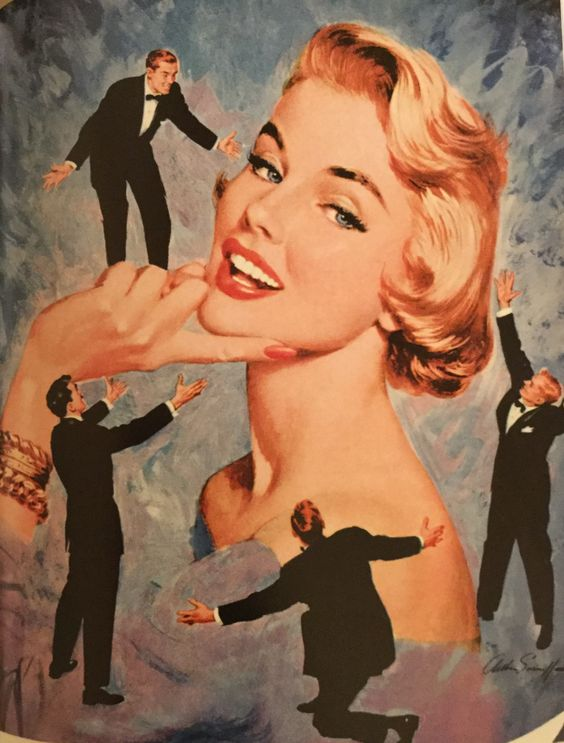
Originating in film theory and criticism in the 1970s, the gaze refers to how we look at visual representations. These include advertisements, television programs and cinema. The “male gaze” suggests a sexualised way of looking that empowers men and objectifies women. In the male gaze, the woman is visually positioned as an “object” of heterosexual male desire. Her feelings, thoughts and her own sexual drives are less important than her being “framed” by male desire. The concept of the male gaze was introduced by scholar and filmmaker Laura Mulvey in her famous 1975 essay, “Visual Pleasure and Narrative Cinema”. She argued that traditional Hollywood films respond to a deep-seated drive known as “scopophilia”: the sexual pleasure involved in looking. She thinks that most popular movies are filmed in ways that satisfy the masculine scopophilia.
Is there a female gaze?
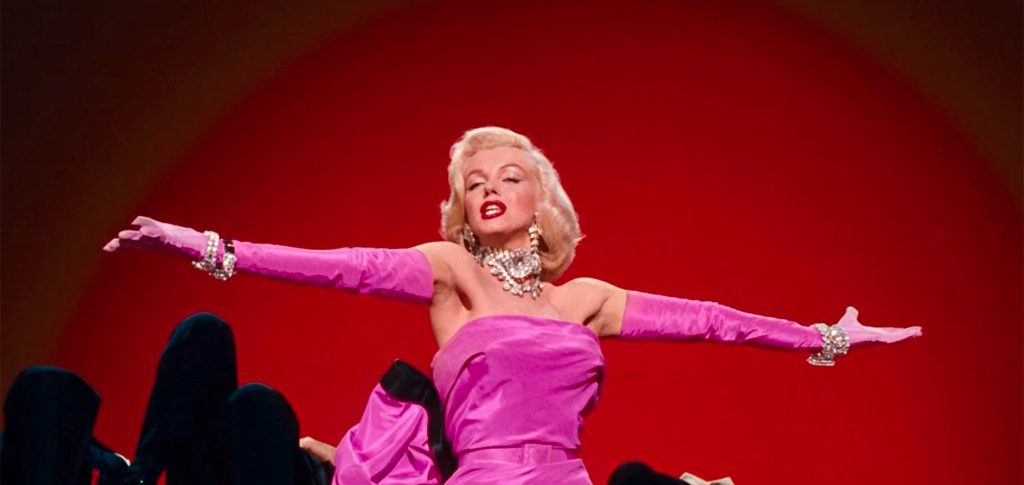
There is no direct female equivalent of the male gaze. The male gaze creates a power imbalance. It supports a patriarchal status quo, perpetuating women’s real-life sexual objectification. For this reason, the female gaze cannot be like the male gaze; it portrays women as subjects rather than objects “to be looked at”. Whilst not replicating the male gaze exactly, it challenges the enduring dominance of masculine worldviews in film and media. In my opinion, the female gaze is a consequence of the male gaze. After years of women trying to look for an accurate representation of themselves, they found a space to express and feel like real people. This is why, many times, we see the female gaze represented as angry (the reason why the term’ female rage’ was invented) and frustrated.
Female Gaze Movies
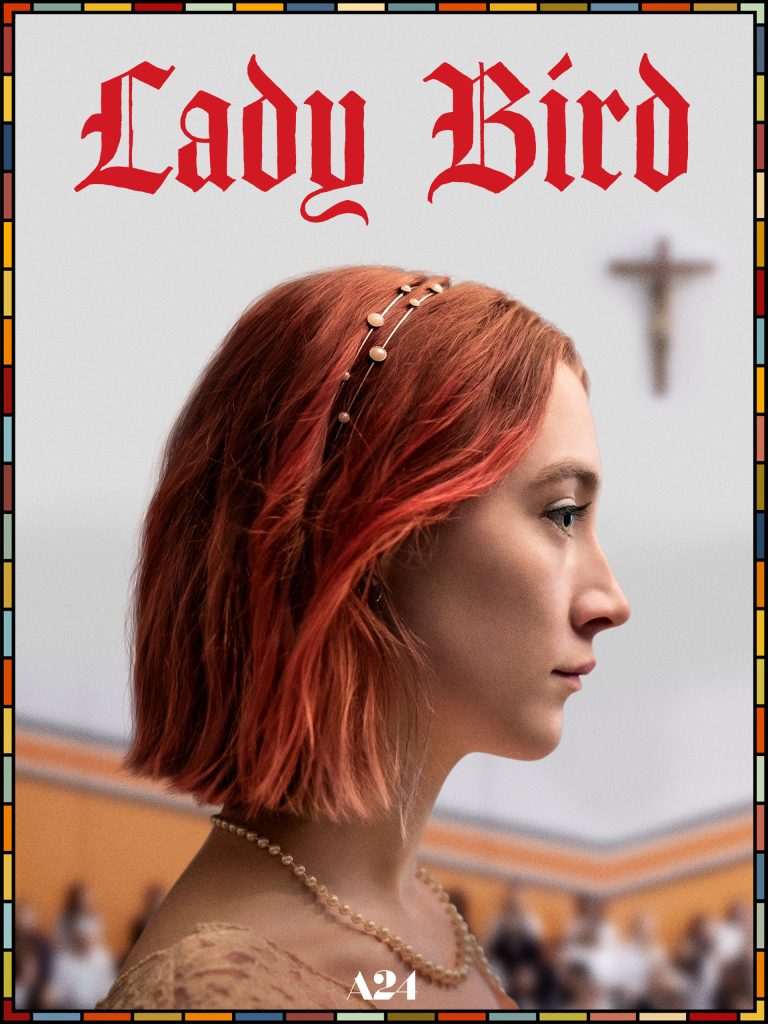
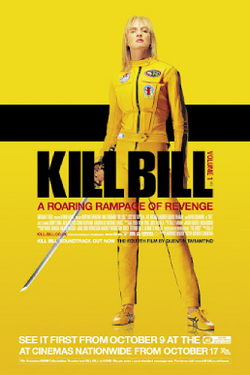
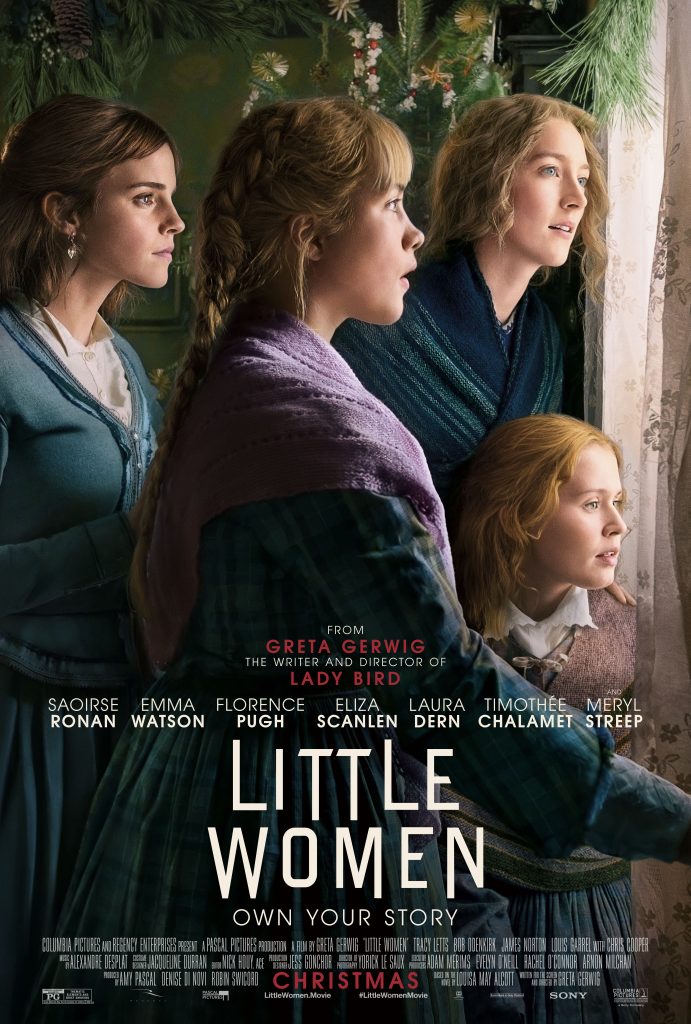
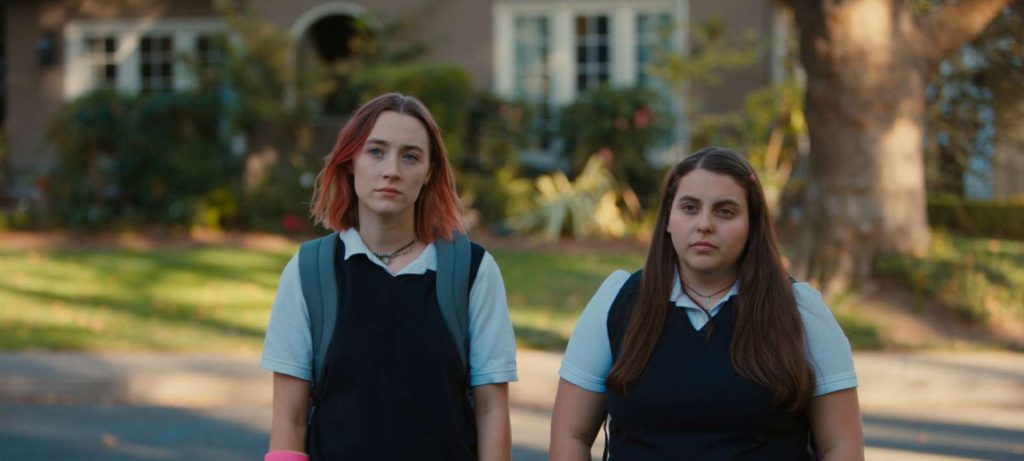
I chose three films that, in my opinion, embody the concept of the female gaze. Two of these movies are directed by a woman, which is why they are so accurate. Starting with Little Women, I think this one is obvious; the book is already a perfect example of the female gaze in the early years. Louisa May Alcott published it in 1868; it is a coming-of-age story about four sisters, following their lives as they transition from childhood to womanhood. As a woman, watching the movie gave me a sense of comfort, almost as if I were at home. Greta Gerwig was able to create a safe and joyful space, filled with female energy, given also by the fact that the father was never home, so it was just them and the mum. Each of the sisters had an interest in something (Jo: writing, Amy: painting, Meg: acting, Beth: playing piano), making them different from the stereotypical female character of the time, where being a woman meant cooking, cleaning and raising kids. Overall, I think what makes this movie great is the sense of sisterhood, the unique and strong bond that you can have with no one but a sister. Moving to another Greta Gerwig movie, there is Lady Bird, which is another coming-of-age story, but it is told in a completely different way; there is less comfort and warmth in this movie. Christine, who goes by Lady Bird, is a teenage girl, far from perfect. She is hot-tempered, and sometimes she loses herself over stupid stuff. Her mother is a strong figure in her life, and they have a difficult relationship. I remember watching this movie when I was sixteen; I have never related to a movie as much as this one, and I have never felt so seen and understood. Finishing off strong, Kill Bill had to be on the list for me, even tho it was directed by a man, Quentin Tarantino. It is a story about revenge; the main character is an ex-trained assassin, and her final goal is to kill Bill. I often compare this movie to Lara Croft; there are two strong and skilled female leads, but one is often objectified in the movie, with specific camera movements and costumes, while in Kill Bill, she is completely outside os the male gaze female stereotype.


Hey! I really agree with your points about how women are represented in film. I liked how you explained the male gaze and connected it to Laura Mulvey’s idea of scopophilia, where she thinks ‘that most popular movies are filmed in ways that satisfy the masculine scopophilia’. I couldn’t agree more, especially as in old Hollywood, the majority of movies catered to men. Even though recent Hollywood movies are steering away from the ‘male gaze,’ it seems it is still infiltrating movies. It really shows how films position women as objects of desire. Your discussion of the female gaze was compelling, especially when you said it “portrays women as subjects rather than objects” and how it can reflect female rage and frustration. I also thought your film examples were great; Little Women and Lady Bird sound so relatable, and Kill Bill was a clever choice for showing how female characters can challenge stereotypes. Overall, I thoroughly enjoyed reading your post, and it provided me with a lot to think about.