
OnlyFans and the Debate of Empowerment vs. Objectification
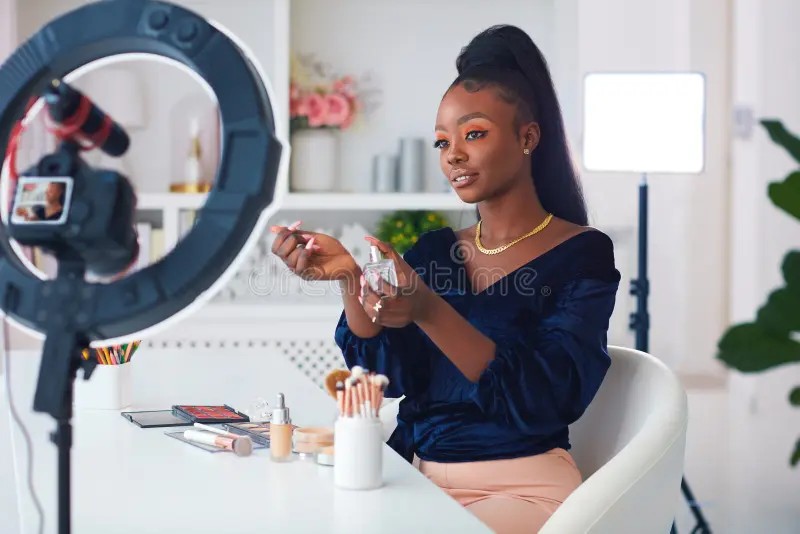
OnlyFans has become a platform that allows women to take control of their own images and content, offering them a way to engage directly with fans and create income from their own likeness. Marketed as a place for empowerment, it seems to offer freedom and independence. But, is it truly empowering or simply another space where women’s bodies are still shaped by male desires? Through Laura Mulvey’s theory of the male gaze, we can examine how OnlyFans might still reinforce the very structures of sexualisation and capitalism that it claims to dismantle.
OnlyFans: Women Taking Control of Their Image?

OnlyFans is marketed as a platform for women to reclaim their image, especially compared to the traditional pornographic industry, where content is largely produced for male viewers. Creators on OnlyFans can curate their own content and dictate the terms of their interaction with customers. Financial independence, personal agency, and the ability to set boundaries are key elements that are often highlighted in promotional materials.
However, the content itself often revolves around sexualised images of women, reinforcing societal standards of beauty and sexuality. Despite the freedom it offers, OnlyFans is still a product of the capitalist system, where the primary goal is profit. The platform’s success depends on how well women can cater to male fantasies, thus subtly enforcing the idea that women’s value is tied to their physical appeal and sexual desirability.
But Still Shaped by Male Desires
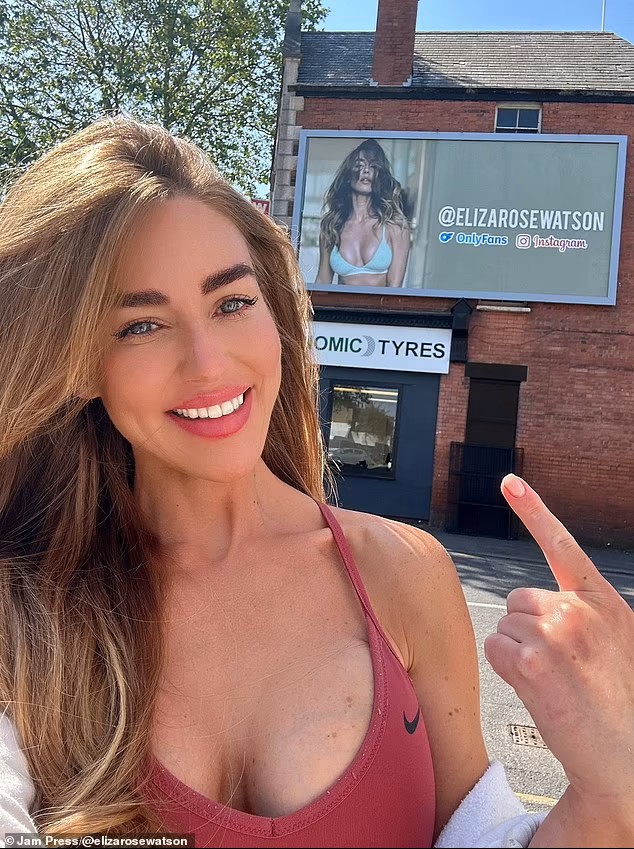
While OnlyFans is marketed as empowering for women, it remains shaped by male consumers’ desires. The platform’s business model incentivizes women to create content that appeals to male fantasies, especially in terms of sexualised images. This is where Mulvey’s theory of the male gaze becomes crucial. In her essay; Visual Pleasure and Narrative Cinema (1975), Mulvey argues that visual media often objectifies women, presenting them as passive objects of desire for the male viewer.
Although women on OnlyFans have more control over their content than in traditional pornography, their work is still heavily driven by male demand. The most popular creators often focus on sexualised aesthetics, and much of the content is designed to attract male subscribers who are willing to pay for intimate or exclusively sexual material. Male consumers still dictate what content is valued, as they are the primary source of revenue for the platform.
The Tension Between Empowerment, Capitalism, and Sexualisation
Despite the empowerment message that OnlyFans conveys, the platform operates within a capitalist framework where profit is the primary goal. This creates a conflict of interest, as content creators are encouraged to produce what sells. Sexualisation and objectification are not only present but rewarded by the platform’s economic structure. The creators who attract the most subscribers are those who can most effectively tap into male sexual fantasies and cater to a predominantly male audience.
Mulvey’s theory reveals that, even in a space where women appear to be in control, they are still objectified in the context of male desire. OnlyFans, much like mainstream media, operates within the structures of patriarchal capitalism, where women’s bodies are commodified, whether they are in control of their content or not.
Empowerment or Exploitation?
Ultimately, the rise of OnlyFans reveals the complex relationship between empowerment, capitalism, and sexualisation in digital media. While the platform does offer women the ability to control their image and earn from their own likeness, it still exists within a system where male desire and consumerism drive the market. This raises the question: Can empowerment truly exist in a system that thrives on sexualisation and objectification?
REFERENCES
Mulvey, L. (1975). Visual Pleasure and Narrative Cinema. Screen, 16(3), 6–18.
The Independent (2021). “OnlyFans: Empowerment or Exploitation?


Hi Justin. I really like the idea of debating the Male Gaze or empowerment from OnlyFans. Male Gaze is definitely a big part of OnlyFans, and this is a very important conversation about empowerment or exploitation. You’ve made a balanced argument between the two and showed the conflict that OnlyFans produces. The question you’ve raised about empowerment existing in a sexualised industry is definitely food for thought, as I think it’s a deeply layered situation and has so many different opinions surrounding it. I don’t think we’ll ever be able to simplify it down to one answer. Really interesting read!