
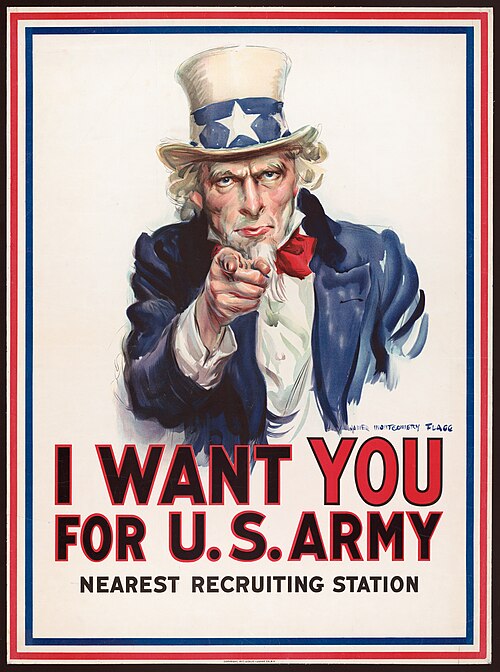
Propaganda is a form of communication primarily used to influence or persuade an audience. It is often conveyed through Mass Media. In the twentieth century, the English term propaganda became associated with a manipulative approach, which often involves sharing biased or misleading information to promote a particular point of view. Propaganda can be disseminated through various means, including images, texts, posters, films, advertisements, and more. The language and symbols used are crucial; they have to produce an emotional rather than a rational response.
Here are some of the most common and efficient propaganda techniques:
-Appealing to emotions: this is a crucial one, propaganda often relies on emotional appeals to influence people’s opinion; it might incite fear or create anger to get people to support a particular cause.
-Manipulating information: distorting or misrepresenting the facts to influence people’s opinions.
-Making unrealistic promises: is a common technique used in propaganda.
-Using symbols or slogans: they can be very powerful if used correctly; they can have a big impact on people, and they often represent an idea or a concept.
-Testimonials: endorment from famous or respected people.
-Glittering generalities: words or phrases that have a positive connotation, but don’t really mean anything. For example, a candidate might say he is “for change”, and they don’t specify what change they are for.
-Stereotyping: technique that uses oversemplified and often inaccurate ideas or beliefs.
Propaganda in the 80s
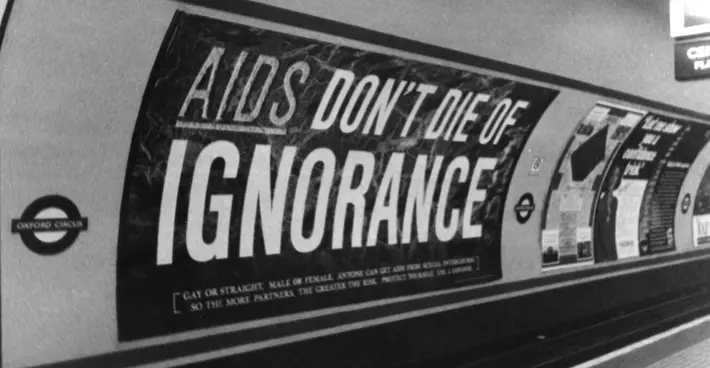
AIDS has been both a medical and a cultural epidemic since it was first observed in the 80s, and we have to remember the role culture plays in shaping the understanding of the virus. The campaigns against AIDS refused to address homosexuals directly, despite the fact that they had been one of the demographic most affected by the condition, they preferred to deal in visual metaphors and allusions aimed at an abstract general public. Even in the realm of art, the earliest representations of AIDS weren’t any less problematic. In 1988, photographer Nicholas Nixon included portraits of men living with AIDS in his show at MoMA. Activists were quick to respond with anger. In the photos, bodies of sick men are portrayed in a way that could be seen as objectifying them; they are deprived of individuality, their whole existence violently reduced by the camera to the syndrome that would eventually kill them.
Early 2000s
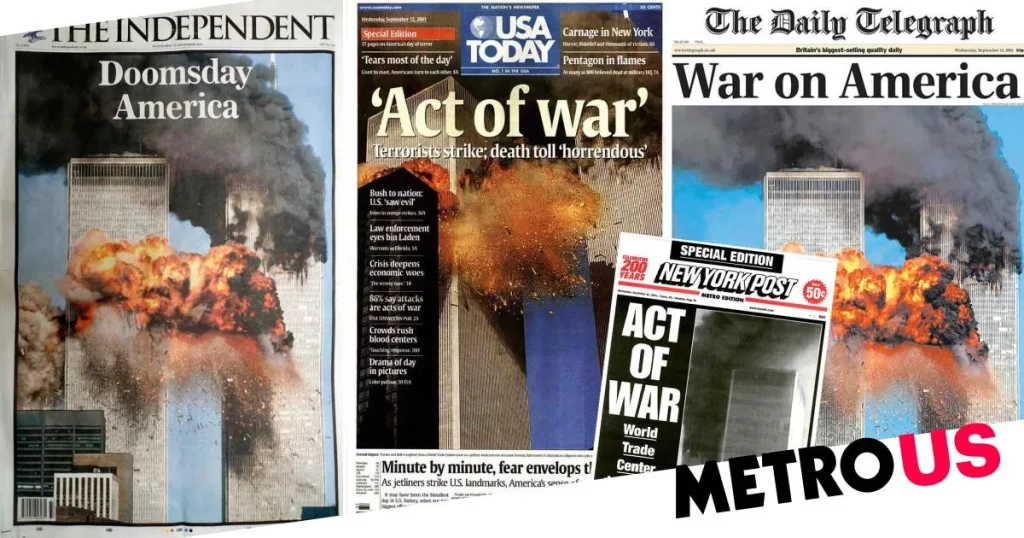
The aftermath of 9/11 reveals how a badly shaken nation came together, in a spirit of sadness and patriotism, and how the public initially rallied behind the wars in Afghanistan and Iraq, and how Americans viewed the threat of terrorism at home and the steps the government took to combat it. In 2003, the United States launched a major military invasion of Iraq. Bush and senior members of his administration spent more than a year outlining the dangers that they claimed Iraq posed to the United States and its allies. Two of the administration’s arguments were proven to be particularly powerful, given the public’s mood: first, that Hussein’s regime possessed “weapons of mass destruction”, and second, that it supported terrorism and had close ties to terrorist groups, including Al-Qaida, which had attacked the US on 9/11. By early 2002, with US troops already fighting in Afghanistan, large majorities of Americans favoured the use of military force in Iraq.
2024 elections
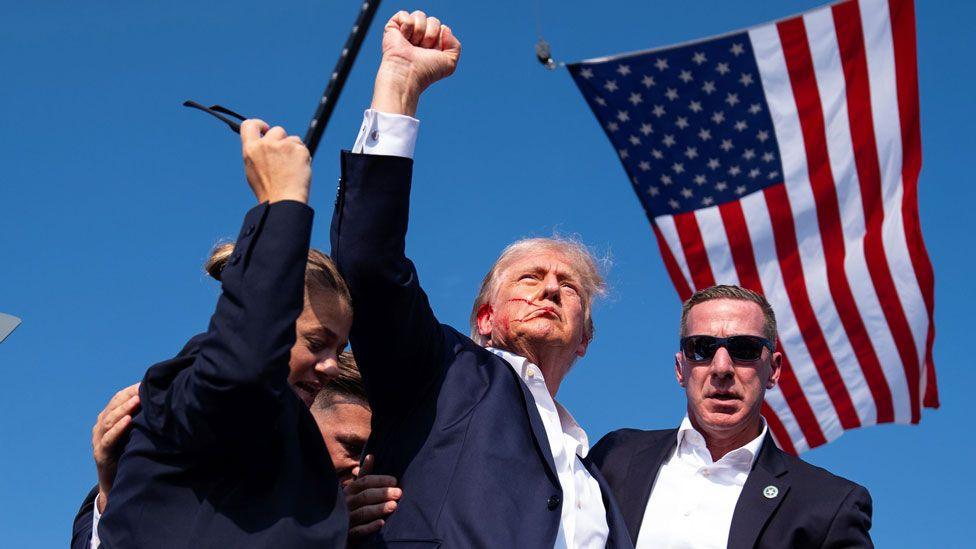
There are many reasons for the election victory of Donald Trump, like inflation fears, concerns about border security, worries about cultural issues related to gender, race and sexuality. People’s judgments about inflation and immigration were harsh during this election season, and these views negatively impacted their assessments of Kamala Harris, while strengthening the case for Trump. Polling data suggest that false claims affected how people saw the candidates and the way news media covered the campaign. For example, according to Trump, there were hordes of migrants overrunning the country’s southern border, endangering public security through dangerous crime waves. Crime statistics showed that native-born Americans actually committed crimes at levels three times higher than immigrants, but Trump’s false claims in this area made Harris look ineffecive on crime and immigration.


