
⠀⠀⠀⠀ ⠀⠀⠀⠀ ⠀⠀
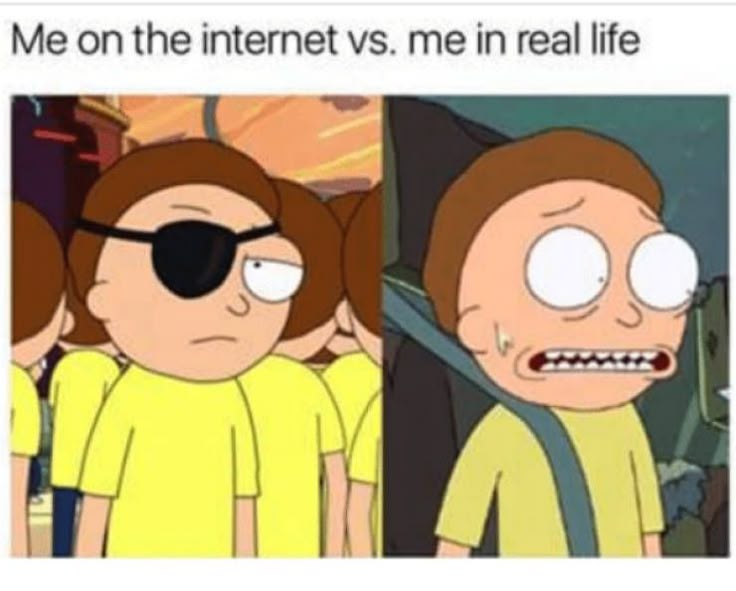
There might have been moments where you have posted a picture on Instagram, or a video on Tiktok however, you deleted it because you didn’t like how it looked, or times where you definitely spent ages thinking about what song to use alongside your Instagram story to use. Why do I know? I’ve definitely done all the above. Maybe it’s due to the reason that you don’t like how you portray yourself online anymore, and wish to change that identity, to the public while keeping a private identity to your friends and family. This is very common when it comes to identity, which a lot of theorists within the media industry have been debating for years, and it comes down to the construction and presentation of identity.
When it comes to identity, and presenting ourselves on the internet, social media plays a huge part in that development and how people are also able to communicate their identities to others. There are several platforms which include Instagram, Snapchat and Tiktok in which people are able to share images of themselves, interact with others, share opinions and post about trends. However, a big argument is that not everyone is the same offline, as who they present themselves to be online. A lot of online presence and identity is mainly chosen by how we as people choose to present ourselves on social media, with the conscience in mind of how others might respond to us and how many factors, such as trends can influence these decisions.
⠀⠀⠀⠀ ⠀⠀⠀⠀ ⠀⠀
Are we creating performances online?
⠀⠀⠀⠀ ⠀⠀⠀⠀ ⠀⠀
‘The Presentation of Self in Everyday Life (1959)’ by Erving Goffman, talks a lot about comparing social interactions that happen everyday, to a performance you would see within theatre. Within the book, Goffman mentions how people choose to behave differently, and in a certain way solely depending on the impression they want to create on whoever is watching them. He states: ‘all the world is not, of course, a stage, but the crucial ways in which it isn’t are not easy to specify’ (Goffman, 1959, p. 72). Despite the theory being developed years before social platforms were created, there is still relevancy held between the theory and how individuals act due to social media presence today.
When focusing on social media as a whole, we tend to forget not everything we see, is as it is. For example, someone may post a picture to their story of them on holiday, or even posts dedicated to a holiday filled with parties, dinners etc. However, it is something they decided to post, and as a viewer, there will never be a chance to know what is truly happening within someone’s life, unless they choose to show you every single part. Individuals decide what they want to post, what they want to not post and leave out, and how what they post will affect how the audiences they have and wish to have will view them.
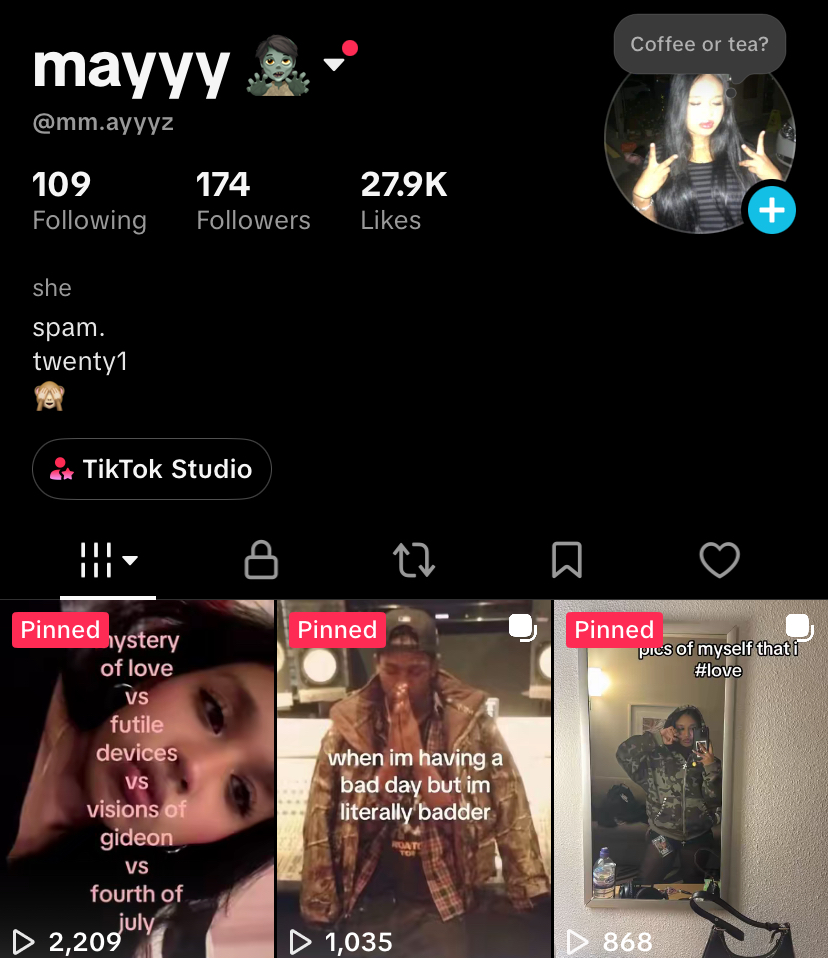
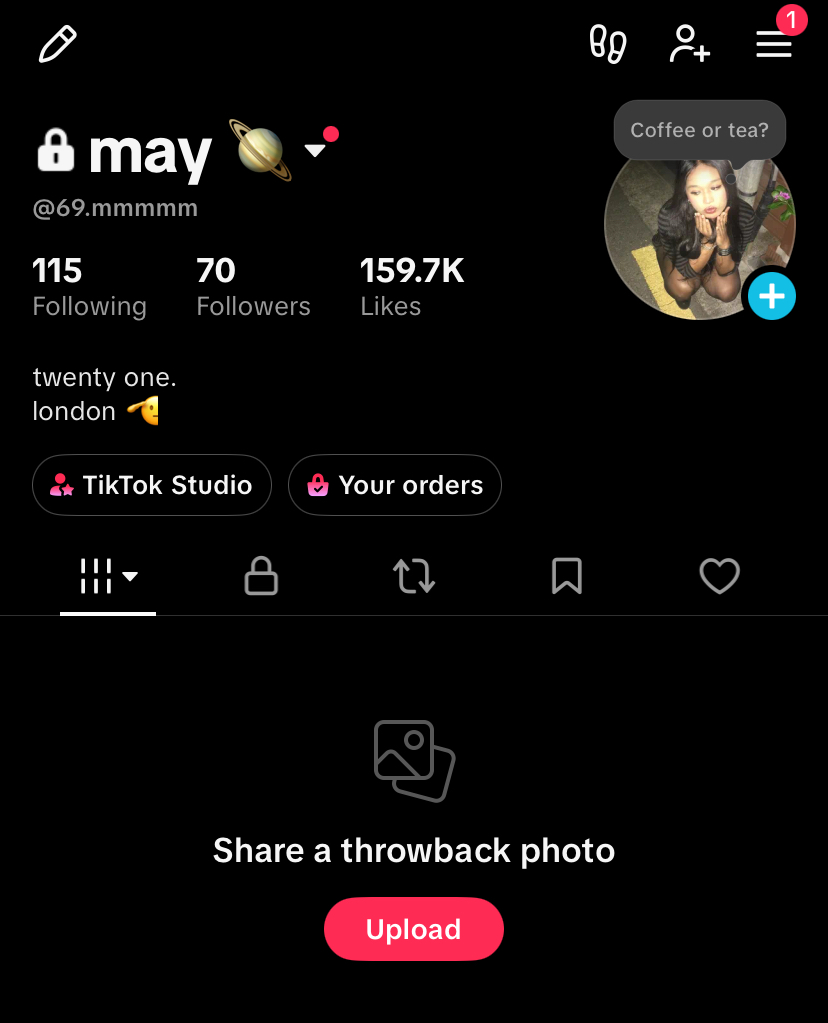
This is mainly where the idea of front stage and backstage behaviour by Goffman, comes into play. In context, this simply means that the front stage is when people perform for a certain audience, and then backstage is when they are able to take a step back from performing for said audience. When we connect this to what I mentioned, we can say that someone’s profile on Instagram, can be an example of their front stage, and then their private Instagrams, conversations and anything offline from that profile can be deemed as their backstage space. This doesn’t mean that people are fake online, or that they are faking an identity, but it does suggest that the identity people choose to show to the public, is definitely chosen specifically for who they want to see or not see.
⠀ ⠀⠀
⠀⠀⠀⠀ ⠀⠀⠀⠀ ⠀⠀
Can social media help shape reality?
⠀⠀⠀⠀ ⠀⠀⠀⠀ ⠀⠀
When it comes to this argument, it’s not just how people choose to present themselves on social media, but also how media and content around them influences them to post what they believe is right for them.
The Mediated Construction of Reality by Nick Couldry and Andreas Hepp (2017) discuss how media and communication in general have rather created a strong bond, and now are more or less heavily connected to how society takes in experiences and understands how the world works. They describe this through the idea that: ‘the fundamentally mediated nature of the social’ (Couldry and Hepp, 2017, p. 3). This simply means that media influences how people choose to understand society and everyday experiences, rather than just platforms which they communicate on.
One huge example is influencers on social media platforms who constantly post about their life, trends that involve fashion, beauty products etc. When these trends start to grow across social media, they start to influence the lifestyle perspectives of what people believe. For example, when people see influencers with money, proceed to buy lots of luxury products, such as designer bags and clothes, it creates a narrative that in order to be seen as ‘rich’ you need to have these products and be able to purchase them. It creates a discussion on whether people are actually expressing their own identities or if people are changing their identities in order to ‘fit in’ to what they believe is the correct way.
⠀⠀⠀⠀ ⠀⠀⠀⠀ ⠀⠀
So, who are we really?
⠀⠀⠀⠀ ⠀⠀⠀⠀ ⠀⠀
Till this day, the biggest argument when it comes to the topic of identity on social media, is if there’s a difference between who we show we are online compared to who we actually are offline. With the theories mentioned above, it creates a statement that identity will never be something that is fixed, but rather it will always continue developing and changing based on what we go through in our daily lives, what we consume, who we create relationships with etc. Social media may give us several chances to express ourselves but it all depends on how we want to be perceived by people we show ourselves to.
⠀ ⠀⠀
References :
Couldry, N. and Hepp, A. (2017) The Mediated Construction of Reality: Society, Culture, Mediatization. Cambridge: Polity Press.
Goffman, E. (1959) The Presentation of Self in Everyday Life. Garden City, NY: Doubleday.


I like how you explained that a specific public identity is distinct from a fake one, which avoids the lazy “everyone is fake online” take, using TikTok screenshots as genuine real-life examples; however, I think it would be useful if you could add an analysis to help answer the question.