
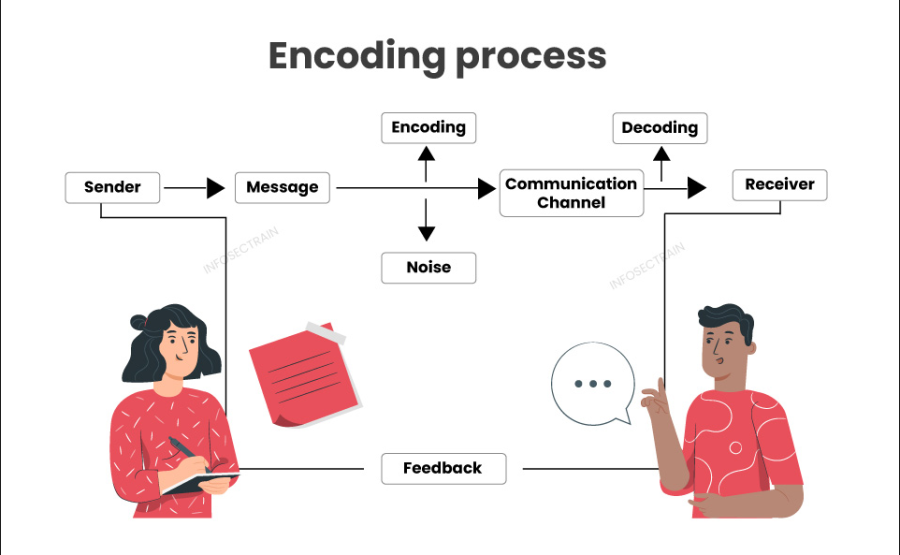
When discussing encoding and decoding in media were evaluating how each media messages are created and interpreted rather than being “send or “received”. This theory was founded and analysed by a cultural theorist names Stuart Hall. Stuart Halls Model has split the two terms of encoding and decoding into his own narratives and connotation
Encoding is where position such as journalist, producers or directors build and creates messages using certain symbols, values, culture and preferred ideologies, this is also knows a production and is the first step of Encoding. Circulation is another key step as it follows right after production and encoding as it allows which media product get to be shared and distributed and perceived and made available to the public.
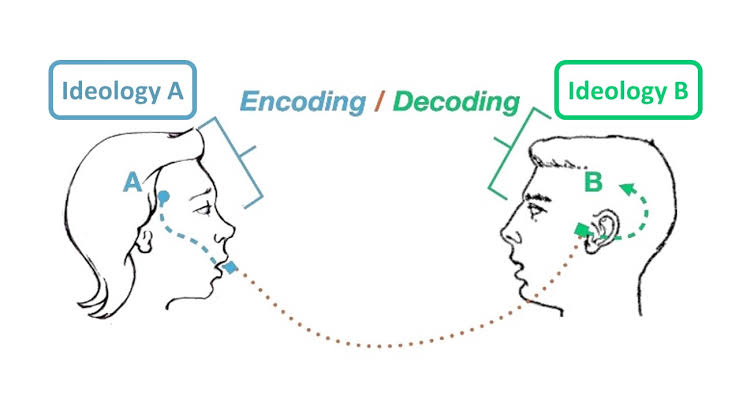
Decoding otherwise know as consumption, is where the audience allows to take in the message encoding has left and has allowed the audience to translate that message on their own based on their background and their own values and beliefs. However, Decoding has three positions where Stuart Hall was able to explain different stages of Decoding. The first stage is Dominant-Hegemonic, this allows the viewers to accept the message exactly the way the encoders intended whether its an article or a TV show. The second stage is Negotiated, this is where the audiences accepts certain parts of messages but not the full messages based on their own views. The last and final stage is Oppositional, the audiences understands the planned and discussed meaning but, completely declines it.
Encoding and Decoding is the key cultural studies of how much it changes how we acknowledge and understand mass communication and media. This model is key as it completely shatters or breaks the idea that media communication is a easy way of how a sender (encoding) injects a message in a passive audience (decoding). The model allows us to also understand how the public wants to perceives the message, unlike the two flow step theory.
The two flow step theory influences the public how they should feel on certain messages instead of themselves, whilst decoding and encoding allows the public to understand no matter the message based on your own views you can either accept the message or decline which is a huge impact as the public are not being influenced and are choosing their own path and ideals.
This model can be a hit and miss situation as yes, it allows the public to analyse and understand the message on their own terms but it could also restrict them. This is due to one of the many examples that can cause conflict ones mind when acknowledge, culture. Culture has an affect on many people in society as culture teaches a person how they should act, dress and behave and if a person hears a certain news they may think of it good or bad based on what they were taught. As earlier I mentioned that decoding and encoding can allow an audiences to think for themselves based on their own views but does it really when culture or belief gets in the way as ones mind has ben taught to act a certain way?


