
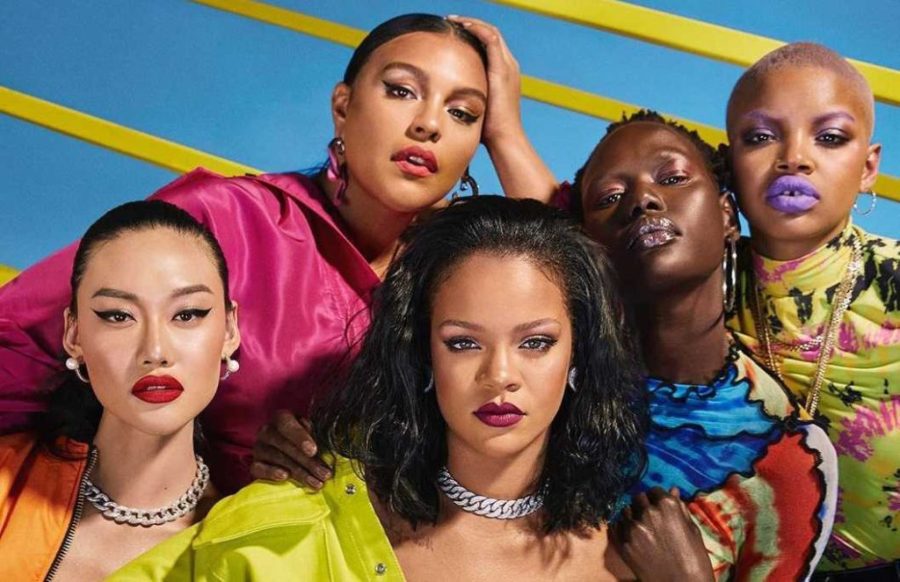
The fine line between genuine inclusivity and commercial oppurtinity in beauty advertsing
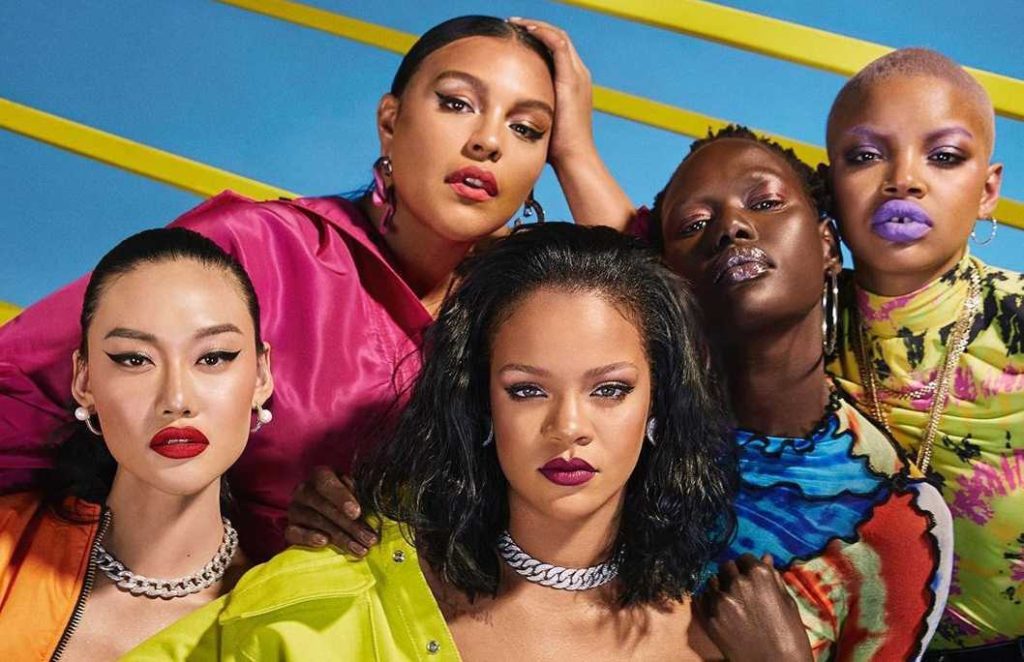
WEEK 2 / From Mass Media to Mass Culture
Growing up, I remeber watching television and noticing ongoing patterns: Repeated Beauty Standards, with little representation of different skin tones features or identies. Looking at the beauty industry nowadays, that ingrained beauty standard in the beauty industry has changed significantly. Brands are embracing more diversity, with more inclusive campaigns and larger product options. While this shift has definitely been overdue, it also makes me question what was the cause of this vast change.
Are brands genuinly challenging traditional beauty standards, or have they simply recognised inclusivity as a rentable selling point ?
The FENTY BEAUTY Effect
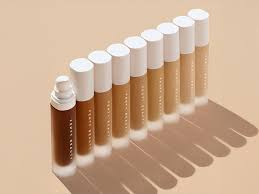
When Rihanna, globally known singer, songwriter, actress and businesswoman, launched Fenty Beauty in 2017 with 40 foundation shades, the brand rose attention as they challenged the traditional beauty industry of limited representation that existed throughout the 2000’s and 2010’s. Although other brands had already introduced a wide product foundation range, Fenty’s recognisable success highlighted the already existed demand for more inslusive beauty products.
Fenty Beauty notably identified an overlooked market while challenging traditional beauty standards. Its success demonstrated that inclusivity and profitability could coexist. As established beauty brands began to expand their shade ranges in response, Tarte Cosmetics, for instance, addressed criticism for its limited options for darker skin tones by introducing new shades in 2019 (Elizabeth, 2018). Similarly, Dior Beauty launched their Backstage Face & Body Foundation the same year (Hochikawa, 2018). This raises a question for me: Are brands genuinely shifting traditional beauty standards, or have they simply realized that diversity drives sales?Fenty interestingly recognised an overlooked market while also challenging traditional beauty standards. Its success showed that inclusivity and profitability could coexist.
When Inclusivity Becomes a Selling Point
This shift can be understood through Adorno and Horkheimer’s (1944) Culture Industry Theory, which argues that cultural production under capitalism is increasingly driven by commercial interests. Taking this perspective, diversity can become more than social value; it can also be used as a profitable marketing strategy.
However, I don’t necessarily believe that profitability makes inclusivity less genuine. Brands can recognise market gaps while still bringing cultural awareness.
Social media has increased consumer awareness of traditional beauty standards and the lack of diversity in advertising. By sharing mutually exclusive experiences and publicly challenging brands, consumers can demand greater representation and influence how companies respond and act. This challenges the Culture Industry Theory’s view of audiences as passive, highlighting their growing influence and voice in the beauty industry. As a result, consumer awareness pressures brands, which can nevertheless also be used to commercialise their success.
Ultimately, the concern is not that inclusivity has become commercially successful, but whether brands are making meaningful changes beyond their advertising. Genuine representation should go further than promoting diversity and reflect a commitment to understanding and addressing the needs of different consumers.
References:
Adorno, T.W. and Horkheimer, M. (2002) ‘The culture industry: Enlightenment as mass deception’ in Dialect of Enlightenment: Philosophical Fragments. Stanford University Press, pp. 94-136
De Elizabeth (2018) ‘Tarte replied to fans dragging them for limited foundation shades’, Teen Vogue, 17 January. Available at: https://www.teenvogue.com/story/people-calling-out-tarte-cosmetics-lack-of-diversity (Accessed 1 November 2026)
Hoshikawa, K. (2018) ‘Dior launches Backstage Face and Body Foundation in 40 shades’, Teen Vogue, 29 May. Available at: https://www.teenvogue.com/story/dior-beauty-backstage-foundation-launch Accessed 1 November 2026)


