
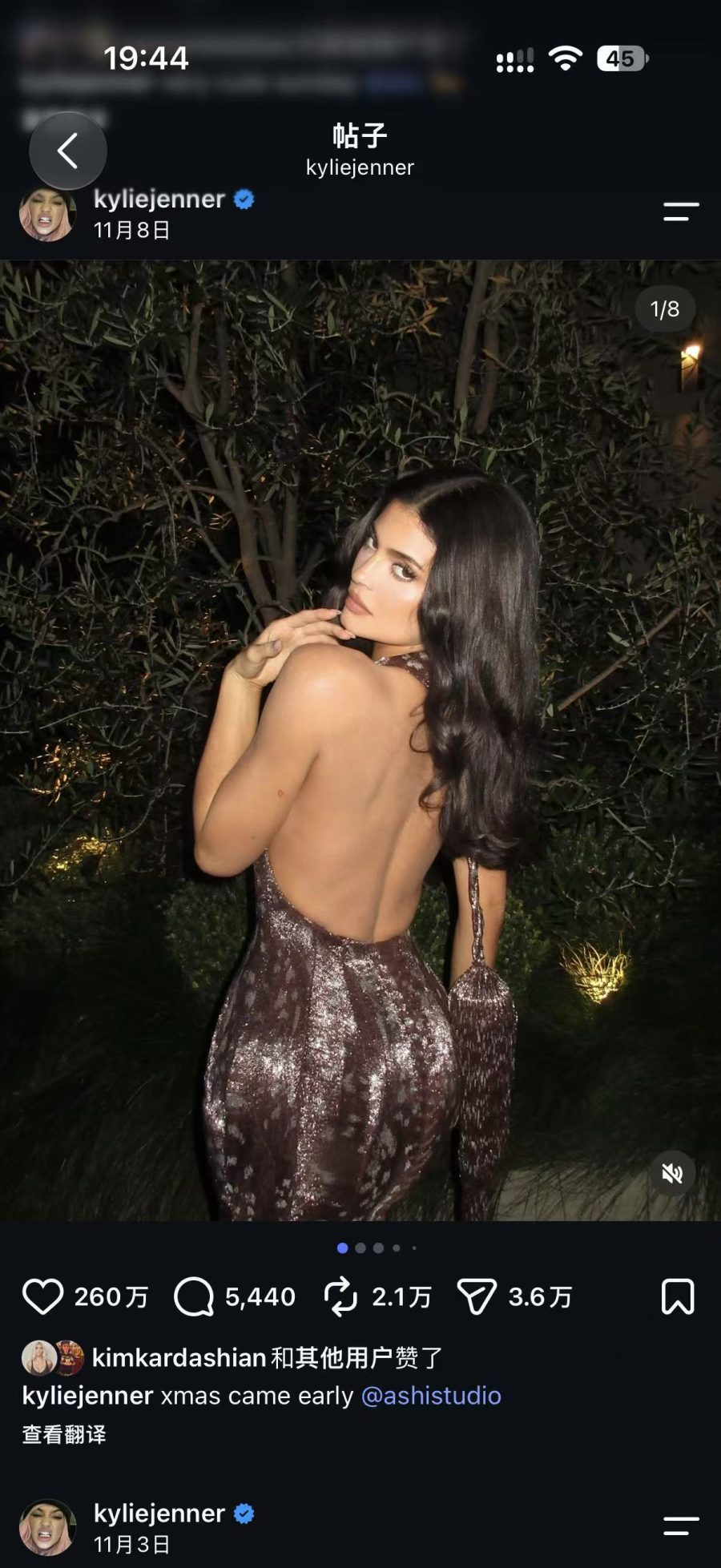
Have you ever noticed that women in films, advertisements and music videos are often shown in ways that focus more on their appearance than their personalities? This is closely connected to the concept of the Male Gaze. The male gaze is an important idea in feminist media studies. It explains how media often presents women from a heterosexual male perspective, turning them into objects to be watched rather than individuals with their own identities. Although media has changed over time, the male gaze still influences how women are represented today.
The concept of the male gaze was introduced by feminist film theorist Laura Mulvey in her famous essay Visual Pleasure and Narrative Cinema (1975). Mulvey argues that traditional Hollywood films often present men as active characters who control the story, while women are shown as passive figures who exist mainly for visual pleasure.
In simple terms, men are often presented as the people who look, while women become the people being looked at. This creates an unequal relationship between men and women in media representation.
Today, the male gaze is not limited to films. It can also be seen in advertising, music videos and social media.
For example, in many music videos, female performers are filmed using close-up shots of their bodies, revealing clothing and sexualised camera angles. Instead of focusing on their music or talent, the camera often directs the audience’s attention towards their physical appearance.
Advertising also provides clear examples. Some fashion and beauty campaigns use women’s bodies to attract attention and sell products. This can create the idea that a woman’s value is strongly connected to her beauty and attractiveness.
Social media platforms such as Instagram and TikTok have also changed the way the male gaze works. Women may feel pressure to present themselves in ways that receive more likes, comments and attention. Gill (2007) explains that modern media culture encourages women to monitor and improve their own appearance. This means that the pressure does not always come directly from men. Women may also begin to judge themselves through the expectations of others.
Although the male gaze remains influential, modern audiences are becoming more aware of gender representation. Many female directors, artists and content creators are challenging traditional media stereotypes by presenting women as independent, confident and complex individuals.
Furthermore, bell hooks (1992) introduces the idea of the “oppositional gaze”. She explains how audiences, particularly Black female viewers, can critically question media representations instead of simply accepting them. This reminds us that audiences are not passive and can challenge the way media presents gender and identity.
However, sexualised images are not automatically negative. Women should have the freedom to express their sexuality and choose how they present themselves. The important question is whether women have control over their own representation or whether their images are mainly created to satisfy other people’s expectations.
In conclusion, the male gaze is still an important concept for understanding modern media. From Hollywood films to Instagram advertisements, the way women are presented can influence social attitudes towards gender and beauty. I believe media should provide more diverse representations of women, focusing not only on physical appearance but also on their personalities, abilities and individual identities. Understanding the male gaze helps audiences become more critical of the images they consume every day.
References
Gill, R. (2007) ‘Postfeminist media culture: Elements of a sensibility’, European Journal of Cultural Studies, 10(2), pp. 147–166. https://doi.org/10.1177/1367549407075898
hooks, b. (1992) ‘The oppositional gaze: Black female spectators’, in Black Looks: Race and Representation. Boston: South End Press, pp. 115–131.
Mulvey, L. (1975) ‘Visual pleasure and narrative cinema’, Screen, 16(3), pp. 6–18. https://doi.org/10.1093/screen/16.3.6


I liked how you brought in bell hooks’ oppositional gaze to show that audiences aren’t passive, and your point that sexualised images aren’t automatically negative added helpful nuance. One thing id include is a specific example, such as a particular music video or campaign, would make the male gaze section feel even more concrete. Overall really cool blog post.
I like how you explain that the male gaze still shows up on social media, not just in films and adverts. The point about women feeling pressure to judge their own appearance is especially interesting, because it shows how these expectations can become part of everyday life.