
In today’s digital world, media has become a major part of everyday life. From scrolling through TikTok to watching Netflix and listening to songs on Spotify, we constantly consume content that influences our interests, opinions and lifestyles. However, how much of what we consume is genuinely based on our own choices? The concept of the “culture industry”, developed by Theodor Adorno and Max Horkheimer, offers a useful way to explore how modern media influences audiences and turns culture into a commercial product.
Adorno and Horkheimer (2006) argue that culture has become industrialised, with entertainment increasingly produced for profit rather than purely for creativity or artistic expression. They suggest that mass produced cultural products often follow predictable patterns, encouraging audiences to consume familiar content rather than question existing social values. This process which they associate with standardisation, remains relevant in contemporary media. For example, Netflix regularly promotes popular genres, sequels and familiar storylines because they attract larger audiences. Similarly, TikTok’s algorithm recommends videos based on users previous activity, making it easy to spend hours consuming fairly similar content. Although personalisation can improve the user experience, it may also restrict exposure to different perspectives. This raises the important question; are digital platforms expanding our choices or simply making commercial influence less noticeable?
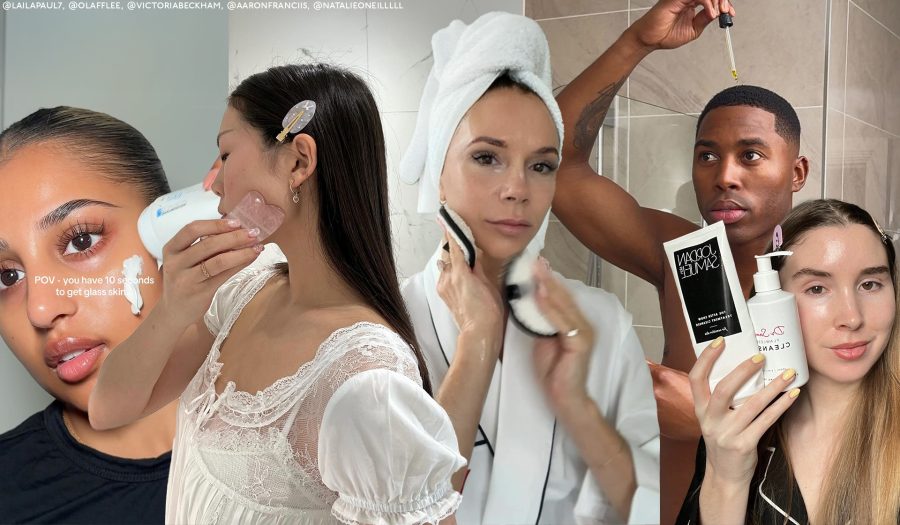
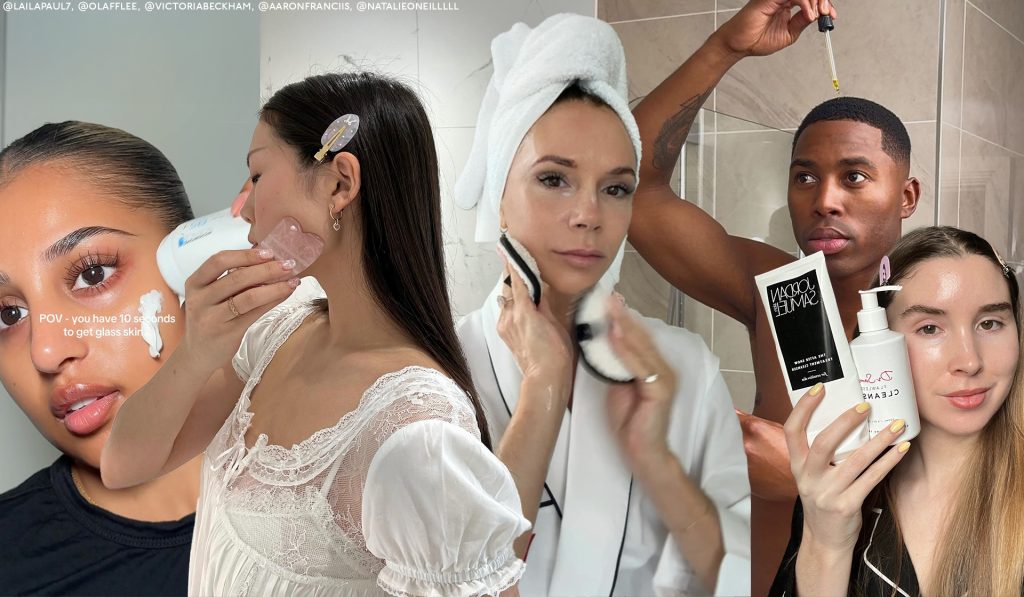
These ideas connect with Durham and Kellner’s (2006) wider discussion of media, culture and power. Media doesn’t just simply entertain us, it can also influence what society considers desirable, successful or normal. Influencer culture provides a clear example. When influencers promote expensive skincare, designer clothing or particular lifestyles, advertising can make consumption appear necessary for confidence and social acceptance. As a result, audiences may begin associating happiness and popularity with purchasing products, especially the younger generation. Culture becomes a way of generating profit while reinforcing certain social expectations. However, audiences should not automatically be viewed as passive consumers. Scannell (2007) discusses important developments in American media and communication research, including the work of Lazarsfeld, Merton and Katz. Their approaches help us consider how media messages interact with social relationships and everyday experiences.
People interpret content differently depending on their backgrounds, people around them and personal beliefs. For example, someone might purchase a product promoted on TikTok, while another person may recognise an advertisement and question the influencer’s motives. Personally, I believe culture industry theory remains particularly relevant because digital platforms often make advertisement feel like ordinary entertainment. The boundary between genuine recommendations and paid promotions can become difficult to recognise, especially when the content is designed to feel relatable.
Overall, the culture industry helps explain how contemporary media combines entertainment, consumerism and commercial power. Although audiences can challenge trends and make independent choices, those choices are still influenced by the platforms and industries surrounding them. Rather than rejecting popular culture completely, we should question who produces the content we consume, whose interests it serves and how it influences our everyday lives.
References:
Adorno T. and Horkheimer M. (2006) “The Culture Industry: Enlightenment as mass deception.”
Durham M.G. and Kellner D. (2006) “Media and Cultural studies.”
Scannell P. (2007) “Media and Communication. London: SAGE.”
Photo: https://www.thehandbook.com/the-uks-top-skincare-influencers-were-just-announced/


