
Culture Industry, what is it?
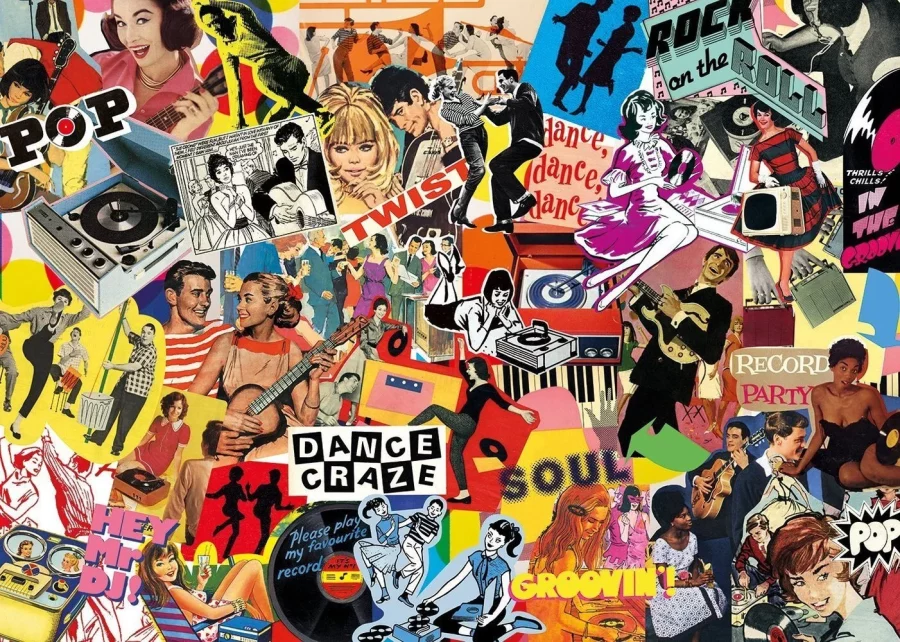
Developed by German philosophers Theodor Adorno and Max Horkheimer, culture industry is explained as how culture in general, ends up becoming mass-produced and more commercialized under the band of capitalism. One huge part of their argument is how culture has started to increasingly be treated as something that is used for profit, rather than it’s original form of art, creativity and self-expression.
Adorno and Horkheimer’s main argument was that huge industries within entertainment such as music, film, radio etc. create products from culture simply for mass consumption due to companies who just want to make money. Ideas which are created on a repetitive basis in order to attract larger audiences, which then create more money and income. One big example is how films within Hollywood use similar storylines and have remakes because consumers, audiences already enjoy familiar franchises and will proceed to consume more. With this, the theory illustrates how commercial success changes and influences the creativity within the entertainment industry, as slowly films, and music start to lose the creativity they once had.
⠀ ⠀ ⠀
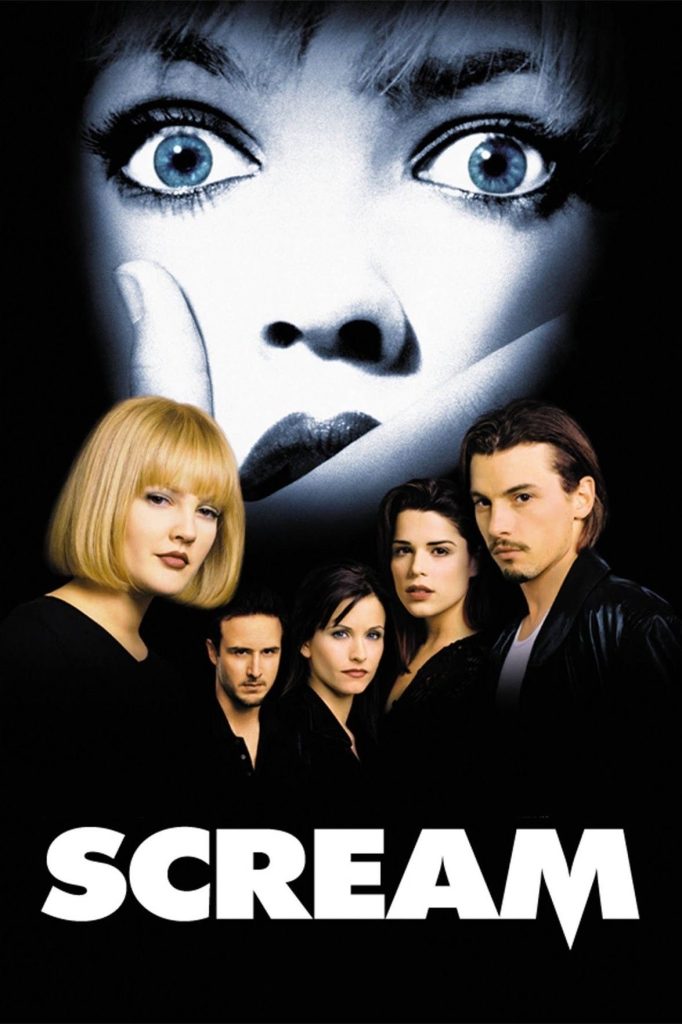

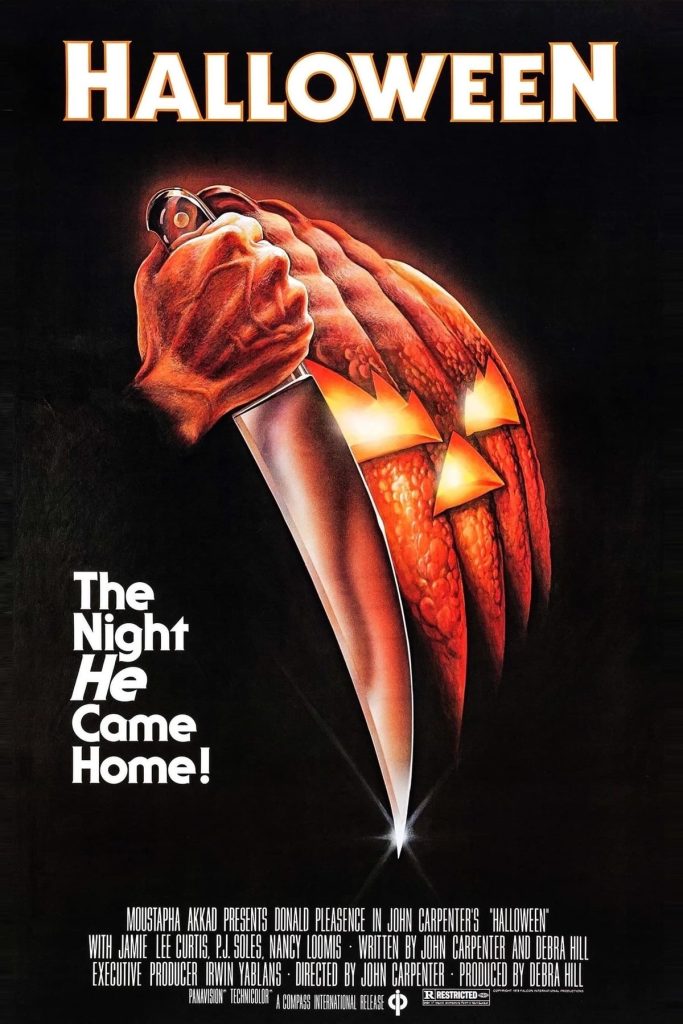
Above are 3 popular movie franchises which have constantly been remade even till this day.
⠀ ⠀ ⠀
Why should we care about culture industry?
We should care and consider culture industry because even though the theory was developed in the 1900s, it still affects us till this day. Platforms such as TikTok, Instagram etc. are a huge part in how we consume media and popular culture today. Scannell states that media in general, including ‘radio, press and film’ claim that they support the freedom and the individual work created by people, however they also help people gain ‘prescribed attitudes, thoughts, and buying habits’ (Horkheimer, 1941, p. 122, quoted in Scannell, 2007). In relation to social media, this quote explains that may of the platforms that we use today, allows everyone to express themselves and even discover new interests as well as share opinions with people, however, these platforms also aid in advertising content which are repeated trends across social media, and can influence preferences and purchasing decisions.
An example of this, is when a certain item can become popular on TikTok, many influencers then advertise this product to their viewers, which then ultimately result in their fans and viewers to want to purchase the item because they are actively being influenced by the product and those promoting it. Although sometimes, the purchase can be something that is deemed as an independent decision, there is still heavy influence surrounding the decision to even purchase the product as the desire for it has been created through the advertising.
In turn, the theory doesn’t try to say that people have zero control over their choices, but rather that preferences that people start to gain can be heavily influenced by what is promoted across commercial platforms and mainly they are designed and created in order to actually gain traction by audiences and further enhance the purchasing of products which can then lead to consumption.

Stanley cup. 
Skims products. 
Matcha. 
Dyson airwrap. 
Medicube products. 
Sunset lamo.
Above are some products and items which have gotten popular through heavy influence across social media.
⠀ ⠀ ⠀
Is our individuality limited by mass consumption?
One huge part of the culture industry theory is that there is a huge talk about the connection between individuality and capitalism. Adorno and Horkheimer were focused on how commercial entertainment and the changes happening within the industry actually encourages conformity rather than allowing audiences to have and keep their individual thoughts. Scannell mentions that the Frankfurt School’s critical approach was mainly used to pick point out the social issues which were ultimately resulting in affecting people’s genuine interests. He states that the intellectual task affects and contributes to the ’emancipation and liberation of the masses’ (Scannell, 2007). This suggests that the theory is not just about criticizing entertainment which is popular but rather also aiding people in understanding how the economic and social systems can be influencing their lives. This can be heavily applied to entertainment within film as film companies and studies often create a lot of sequels and remakes because there is a huge advantage in that. In the same way that trends on social media encourages people to then follow the popular content trending at that moment rather than pursuing a more independent form of creativity.
Although, the concept of popular culture is not unoriginal and entertainment in this day and time can still also be meaningful and have creativity. The main question to consider is whether commercial influences make it more harder for alternative ideas to be created and less familiar voices to then reach audiences. There are a lot of independent musicians, content creators and even filmmakers who offer a different perspective into the industry, however it can be a struggle for them to compete against huge companies as they have larger budgets, more marketing money and more visibility. Adorno and Horkheimer’s theory affect this as it allows us to consider, who really has the power to then change what popular culture is shown amongst audiences and whose voices can be visible.
⠀ ⠀ ⠀
Conclusion, who shapes our culture?
The Culture Industry theory encourages us audiences to focus on what is beyond just entertainment and rather focus on the systems within social and economics which then influence us and what we consume. Through Scannell’s discussion of Horkheimer and Adorno, it allows us to understand really how mass culture became a huge concern in relation to capitalism. Till this day, many of the same questions and ideas can still be applied to social media, streaming platforms and how products and entertainment is advertised to audiences. Even though people do have the chance to express themselves individually and then challenge the mass culture, there are still commercialize interests which then affect and influence who receives attention within the industry and how much people will consume them.
In the end, the main question at hand is not if we have a freedom of choice, but how are what we choose being shaped by the media we consume around us. It’s beneficial to think: Am I choosing this because I genuinely want it, or was there something which influenced me and created that desire?
⠀ ⠀ ⠀
Reference list.
Scannell, P. (2007) Media and Communication. London: SAGE Publications.
Horkheimer, M. (1941) ‘Notes on Institute Activities’, Studies in Philosophy and Social Science. Quoted in Scannell (2007), Chapter 2.
Adorno, T.W. and Horkheimer, M. (2002) Dialectic of Enlightenment: Philosophical Fragments. Translated by Edmund Jephcott. Stanford, CA: Stanford University Press. (Originally published in 1944/1947.)


