

In today’s digital world, social media plays an important role in how people present themselves and how others perceive them. Platforms such as Instagram, TikTok and Snapchat allow users to share photos, opinions/comments and experiences, which creates an online identity. However, the identity people show online may be different from who they are in everyday life. This can better be understood through ideas of digital self presentation, Paddy Scannell’s work on media communication and Harold Garfinkel’s ethnomethodology.
Haziq (2019), in Putting the best digital self forward in the age of social media, explores how people present a positive version of themselves online. Users often carefully select which content to upload, what information to share and which moments of their lives should be shared with the public. For example, someone might post pictures of holidays, achievements or social events while leaving out stressful or embarrassing experiences. This creates an edited version of reality that may make their life appear happier or more successful than it actually is. Social media therefore allows people to control how others see them, but it can also create pressure to maintain a certain image. Likes, comments and followers can become measures of approval, influencing how people choose to present themselves.
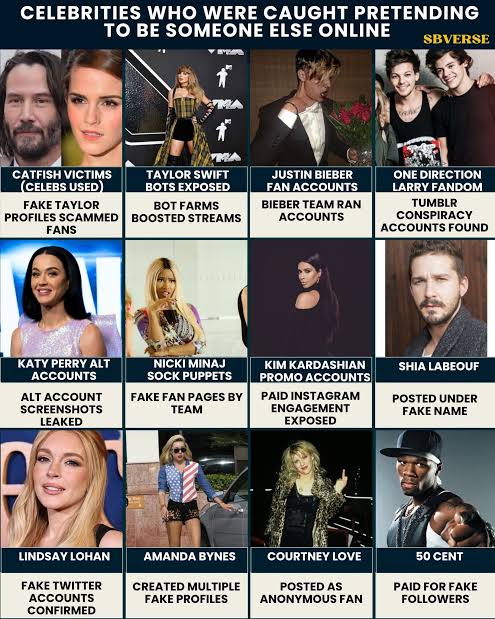
Scannell (2007), in Media and Communication, provides a wider perspective on how communication shapes social life. Media does not simply transmit information, it also influences how people connect with others and understand the world around them. In digital spaces, identity is shaped through interactions and audiences, including friends, strangers and online communities. For instance, users may change the way they speak, dress or behave online depending on the audience they want to attract. This shows that digital identity is not created independently but develops through communication and social relationships.
Harold Garfinkel’s ethnomethodology also helps explain the construction of identity. Garfinkel argued that social order is produced through the everyday actions and interactions of people. Individuals follow social expectations and shared rules to make their behaviour understandable to others. On social media, similar processes occur when users follow trends, use popular expressions or adopt particular styles to fit into a community. For example, someone may follow a specific aesthetic on Instagram because it helps them feel accepted by a group. These actions show that identity is continuously constructed through social interaction rather than being completely fixed. However, digital identity is not necessarily fake or dishonest. People may use social media to express parts of themselves that they may find difficult to show offline, explore their interests or connect with people who share similar experiences. The issue is not simply whether online identities are real, but how they are shaped by platform features, audience expectations and social pressures. Algorithms can also influence which identities become visible by promoting certain styles, behaviours and trends.
In conclusion, identity in a digital world is constantly shaped by self presentation, communication and social expectations. Haziq highlights the pressures to present an idealised self, while Scannell and Garfinkel help explain how media interactions and everyday social practices influence identity. Although social media gives people an opportunity to express themselves, it can also encourage them to conform to social expectations. This raises an important question, are we presenting who we really are online, or slowly becoming the people we think others want us to be?
Reference list:
Garfinkel, H. (1967) Studies in ethnomethodology. Englewood Cliffs, NJ: Prentice-Hall.
Haziq, S. (2019) Putting the best digital self forward in the age of social media.
Scannell, P. (2007) Media and Communicatioj. London: SAGE.


