
The construction of identity in digital world refers to individuals who curate personas on digital platforms, technologies and virtual environments. ‘A status, a position, a social place is not a material thing to be possessed and then displayed; it is a pattern of appropriate conduct, coherent, embellished, and well-articulated.’ Goffman also states that in social interactions, like a theatrical performance, there is a front stage and a backstage. The front stage is where the individuals act for their audience whereas the backstage is where they can be themselves, different from that shown in the front stage.
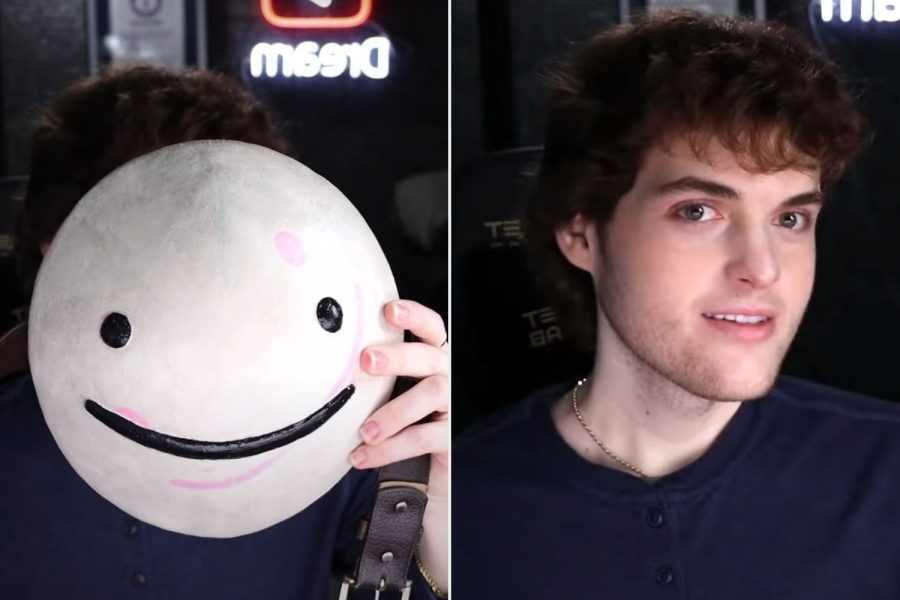
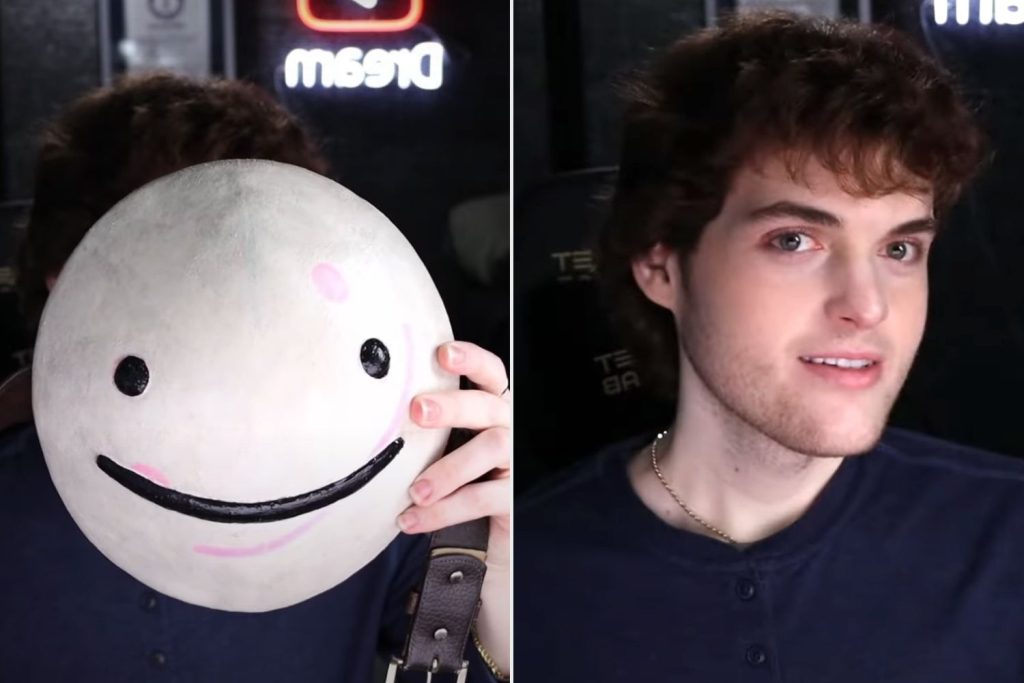
To give a perfect example of this theory, we can take a look at the famous Minecraft YouTuber “Dream”. Clayton Ray Huff, also known as the popular Minecraft YouTuber, “Dream”, hid behind a mask for a little over 3 years. His time streaming on platforms such as Twitch and YouTube led him to build a personality that gained over 30 million subscribers in 2022 before his infamous face reveal. In 2022, Clayton revealed his face to the internet for the first time ever, not knowing that it would also become his last. He had high hopes of his reveal being a success, thinking his audience would support and admire him even more for doing so. When he revealed his face with millions of people watching; all burst into laughter. When Dream removed the mask, he hoped to bring his backstage into the front stage
The front stage personality that Dream had for years was way different to the personality he was viewed as when he revealed his face. A simple reveal of a face can dramatically change one’s persona and depiction in the internet communities, for better or for worse. His entire personality revolved around. the green mask and was unique for creating content with it. Without the mask, he became a mere everyday gaming YouTuber. Dream’s creation of an artificial front stage identity was a double edged knife.
“The expressiveness of the individual (and therefore his capacity to give impressions) appears to involve two radically different kinds of sign activity: the expression that he gives, and the expression that he gives off” (Goffman, 1959). Clayton’s expression and the audience’s perception of his expression are two different things. One can think they’re coming off as something vastly different to what they are actually perceived as.
Why must someone change their personalities based on their social platform and interactions? Why do they ‘perform’ for an audience they may never meet? These questions will forever be asked media studies. Individuals can perform for an audience to satisfy their “expectations”, for the sense of belonging, the dopamine and to adapt to their audiences. People can continuously change their personas depending on whom they want to be. Dream changed his persona as the guy in the mask -> to the guy who removed his mask -> back to the guy in the mask. The constant change of personas to satisfy themselves and the audience is the same as performing on stage, changing the front stage while keeping the back stage at bay.
To conclude, Dream is an internet personality who constructs an identity on his digital platforms. An identity that is often perceived as ‘fake’ via his use of a mask and a curated personality that is vastly different from his back stage persona, the one where he doesn’t have his mask on. G
By: Anirudh Jain, w2175635
REFERENCES
- Goffman, E. (1959) The Presentation of Self in Everyday Life. University of Edinburgh. Available at: https://monoskop.org/images/1/19/Goffman_Erving_The_Presentation_of_Self_in_Everyday_Life.pdf (Accessed: 2/11/2026).


