
Social media nowadays plays a crucial role in our daily lives, impacting how we communicate, show ourselves, and gather information. Users are exposed to a never-ending stream of trends, viewpoints, and well-curated lifestyles on platforms such as TikTok. Although content on social media platforms can be entertaining and inspiring, it also raises an important question: how much of what we perceive as normal, attractive, or desirable is actually determined by our own beliefs, and how much is shaped by the people we follow or see in our “for you” page?
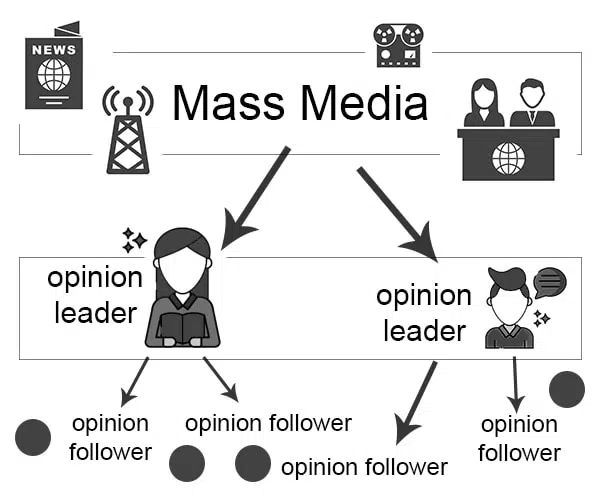
A helpful framework for understanding this issue is the Two-Step Flow Theory, developed by Paul Lazarsfeld and his associates and subsequently expanded by Elihu Katz and Lazarsfeld. According to the theory, opinion leaders who analyse and spread information can play a similar function in today’s digital life by influencing their followers’ perceptions of beauty, lifestyles, and social standards.
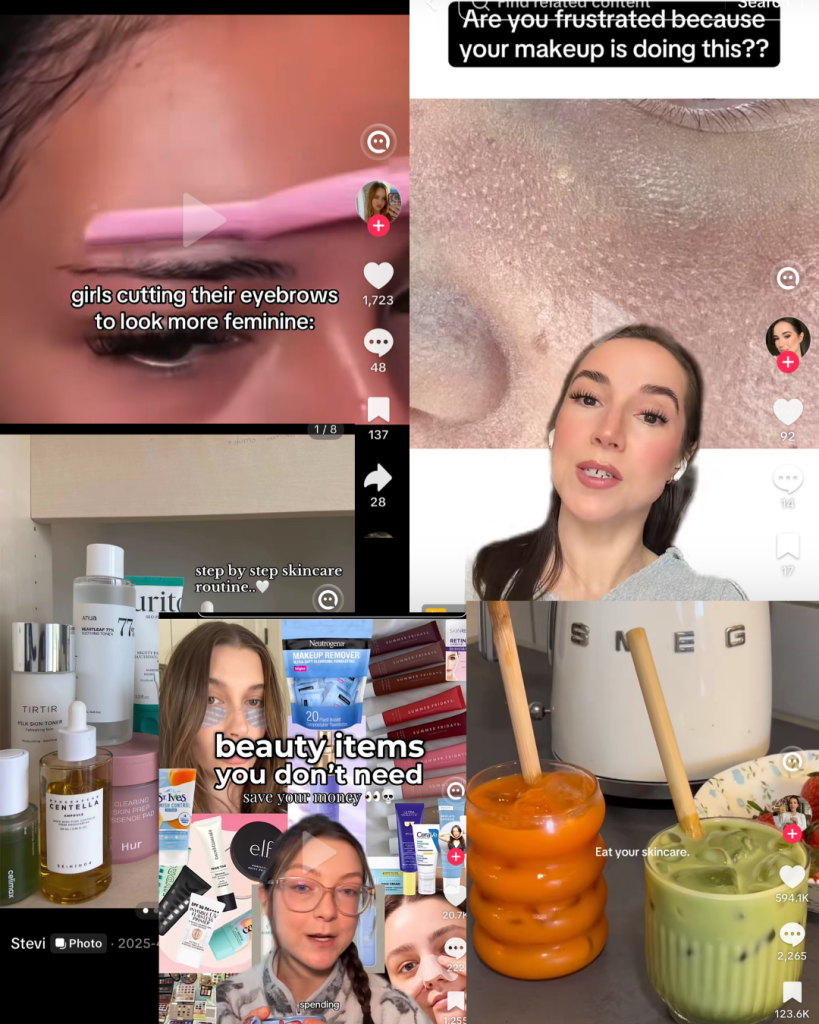
The beauty material on TikTok is one of the many examples of this influence. Content creators frequently post videos showcasing specific aesthetic goals, skincare regimens, fashion advice, and ideal beauty standards. Even though these videos may appear to offer personal experiences and recommendations, the consistent promotion of similar appearances can contribute to narrowing a different understanding of what is considered attractive and “beautiful.”
Seekis and Kennedy’s (2023) study examined 115 undergraduate women’s reactions to watching TikToks about attractiveness. Compared to those who saw travel or self-compensation content, the study showed that those who watched beauty-related videos reported a higher level of insecurities, anxiety, depressed moods, and less self-compassion. These results imply that certain users’ perceptions of their appearance may be affected by even small amounts of exposure to specific kinds of beauty information.
This research is strongly related to the Two-Step Flow Theory due to the fact that influencers not only present images, but they also have the power to shape beauty standards for their audiences. Frequently recommending particular products, aesthetics, and routines leads the audience to view the choices they’re presented with as desirable and necessary. The more creators are perceived as credible, the more their messages are relatable and persuasive.
This research is particularly relevant to the Two-Step Flow Theory because influencers do not simply present images; they can also interpret beauty standards for their audiences. When a creator repeatedly recommends particular products, routines, or aesthetics, followers may begin to view these choices as necessary or desirable. The creator’s perceived credibility and relatability can make the message more persuasive.
It’s crucial to recognise that audiences do not all react in the same way. Some users might enjoy the content they’re presented with without comparing themselves to its creator, while others may question the expectations it presents. Therefore, this suggests that social media influence should not be taken as universal.
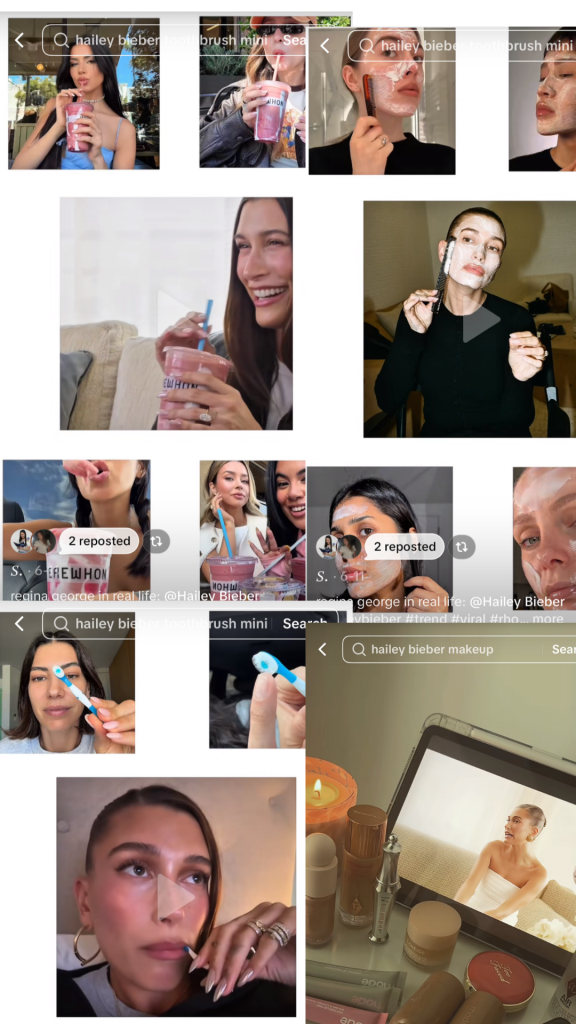
Beauty is not the only area in which opinion leaders influence behaviour. On platforms such as TikTok, celebrities and content creators can shape fashion trends and ideas about success and lifestyles. One famous example is Hailey Bieber, who influenced many girls through her beauty routines and the “glazed donut” skincare aesthetic, encouraging people to buy her products and recreate her trends. This strongly reflects the Two-Step Flow Theory, as followers and fans may be influenced by the people they admire. Constant exposure to these trends and unrealistic beauty standards can encourage social comparison, making people online feel they need to live and look a certain way to be socially accepted.
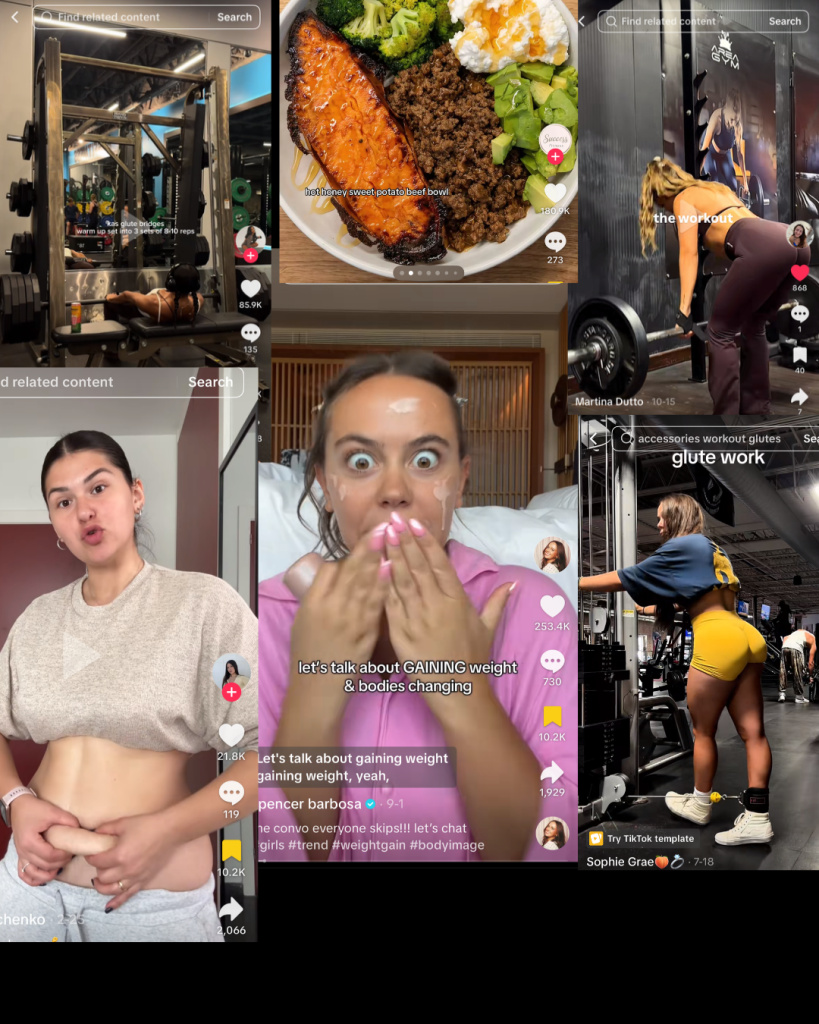
Nonetheless, social media can also have positive impacts on people’s lives, as many content creators promote body positivity, self-acceptance, and health tips. Seekis and Lawrence (2023) found that exposure to body-neutrality TikTok content improves body satisfaction and appreciation among young women, showing how social media can, at the same time, reinforce and challenge beauty ideals.
The Two-Step Flow Theory explains how influencers, known individuals, shape the way audiences interpret media messages. TikTok, on the other hand, through algorithms, can also influence which trends become popular; therefore, although the platform can have a strong impact on what we consider attractive and desirable, it does not completely determine our opinions. By questioning what we see and considering different perspectives, we can become more critical media users.


